What are plant-based barrier coatings?
They are coatings made from plant starches or sugars (like PBS and PHA) that protect food freshness and biodegrade naturally.
Discover best practices and sustainable solutions.
An in-depth look at optimizing your packaging strategies.
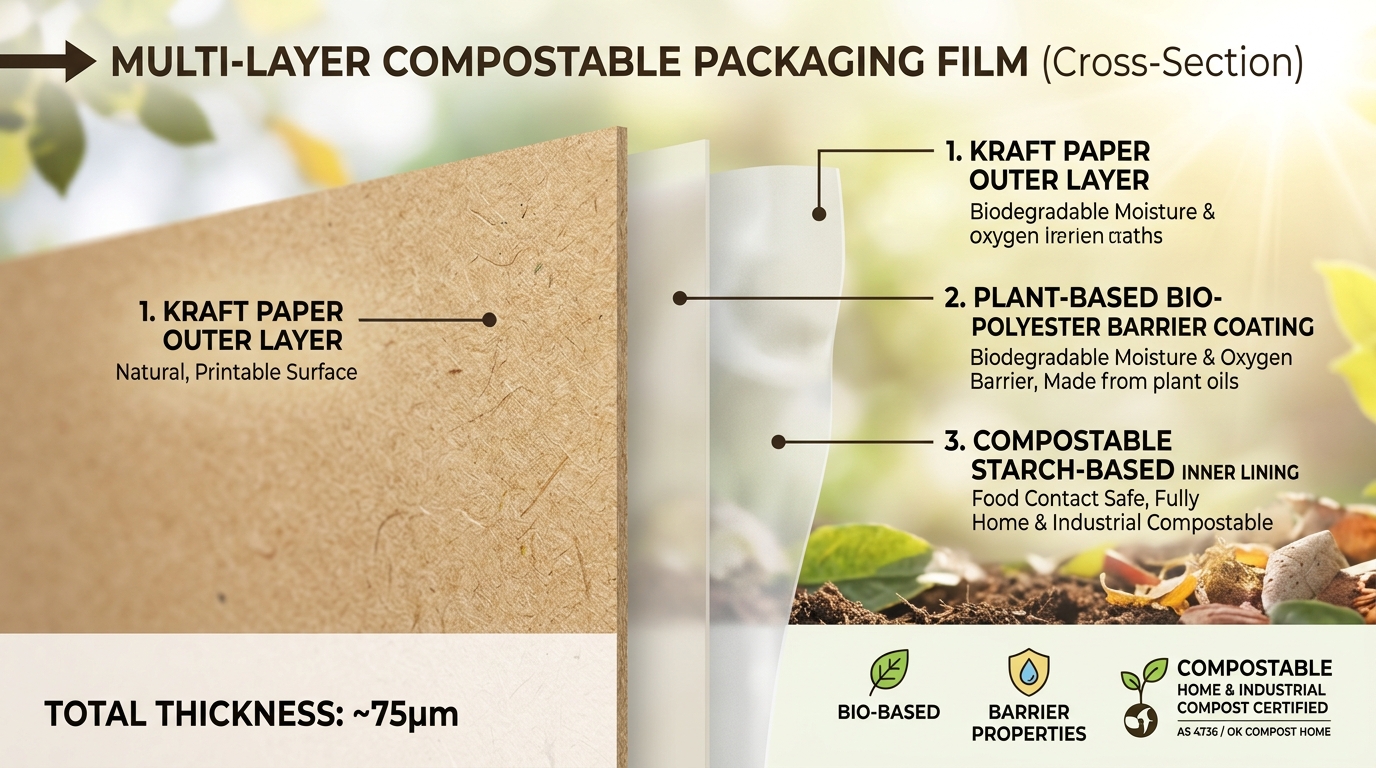
Learn more about this key packaging engineering topic.
"You want to do the right thing for the planet, but it's terrifying when you switch to compostable bags and suddenly your crispy snacks are going stale in two weeks. Nothing hurts more than compromising your product quality in the name of sustainability. We hear from brands all the time who were burned by first-generation PLA plastics that shattered in cold weather or let moisture ruin their goods. The good news? The new generation of plant-based barrier coatings finally gives you backyard-compostable packaging that actually protects your food."

Ryan Wong
Chief Packaging Engineer, Achieve Pack
This section outlines the primary methodology and engineering behind this packaging technique.
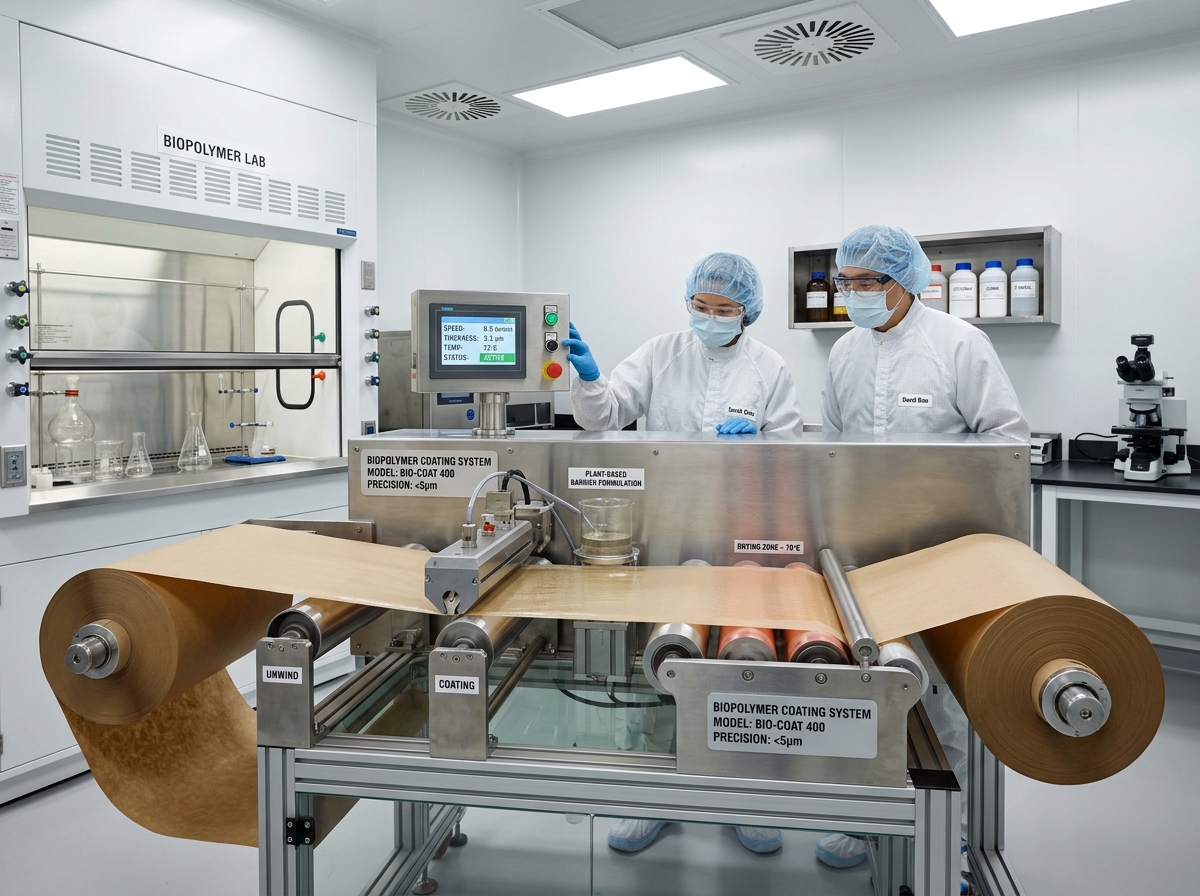
High-resolution visual demonstration showing material and structural features of the package.
// CHIEF PACKAGING ENGINEER JOURNAL entry
"Improved efficiency, reduced costs, and sustainable outcomes for modern brands."
100% Prepress Calibration Guaranteed
Standard compostable bags let moisture in, causing dry foods and snacks to go soft.
Many compostable bags only degrade in hot industrial compost facilities, not home gardens.
Pure bio-plastics are stiff and can crack or split under shipping stress.
Water-based inks can smear or fail to bond properly with raw plant-based films.
Compostable bags can start degrading early if stored in hot, humid warehouses.
Compare the technical and degradation performance of different compostable barrier options:
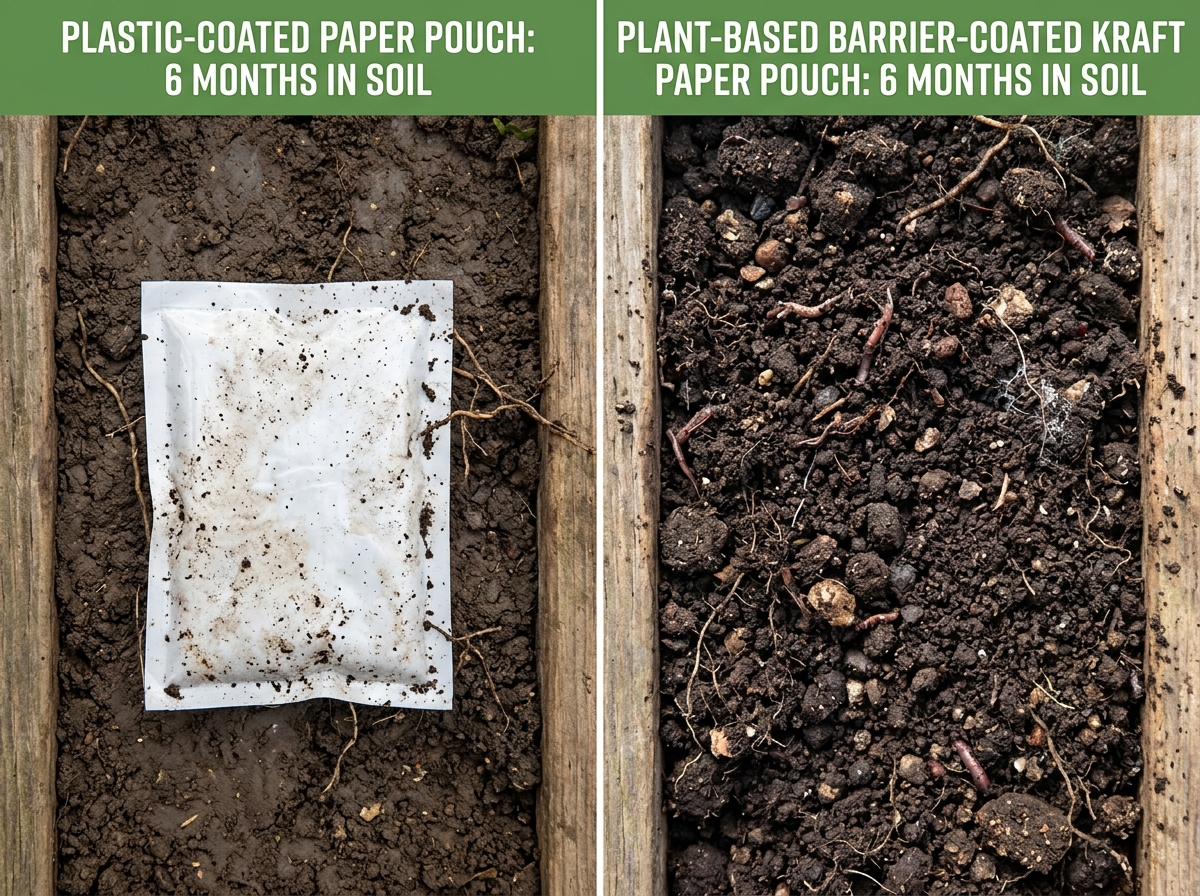
Visual packaging engineering representation comparing materials, barriers, or sealing methods.
| Parameter | Standard Specifications | Eco-Engineered Specifications |
|---|---|---|
| Material Barrier Thickness | 80 Microns (Mixed laminates) | 120 Microns (Mono PE / Plant-Based) |
| Oxygen Transmission Rate (OTR) | 1.5 cc/m²/24hr (Standard) | Near Zero (<0.05 cc/m²/24hr) |
| EPR Modulated Tax Level | Maximum tier surcharges | Lowest modulated tax brackets |
They are coatings made from plant starches or sugars (like PBS and PHA) that protect food freshness and biodegrade naturally.
Yes. Home compostable materials break down in backyard piles at lower temperatures. Industrial compostable materials require high-heat facilities.
No. Our plant-based barrier films are FDA-approved, food-safe, and odor-free, preserving your product's natural flavor.
Our general quality management system guarantees that every packaging batch meets international safety requirements. We perform rigorous mechanical, thermal, and barrier tests from raw materials to final shipping pallets to ensure complete peace of mind.
Gas transmission rate tests verify material specification sheets.
Zero chemical odor or harmful heavy metal contamination.
Verifies strong and secure heat seal seams for leak prevention.
Strict quality logs maintained for traceability of every batch.
Simulated shipping tests ensure packages arrive in pristine condition.
Film properties optimized for smooth packaging line operation.