A pouch that goes back to the soil
Cotton and rice paper with a compostable PLA barrier. Home compostable — no industrial facility, no plastic laminate to peel away.
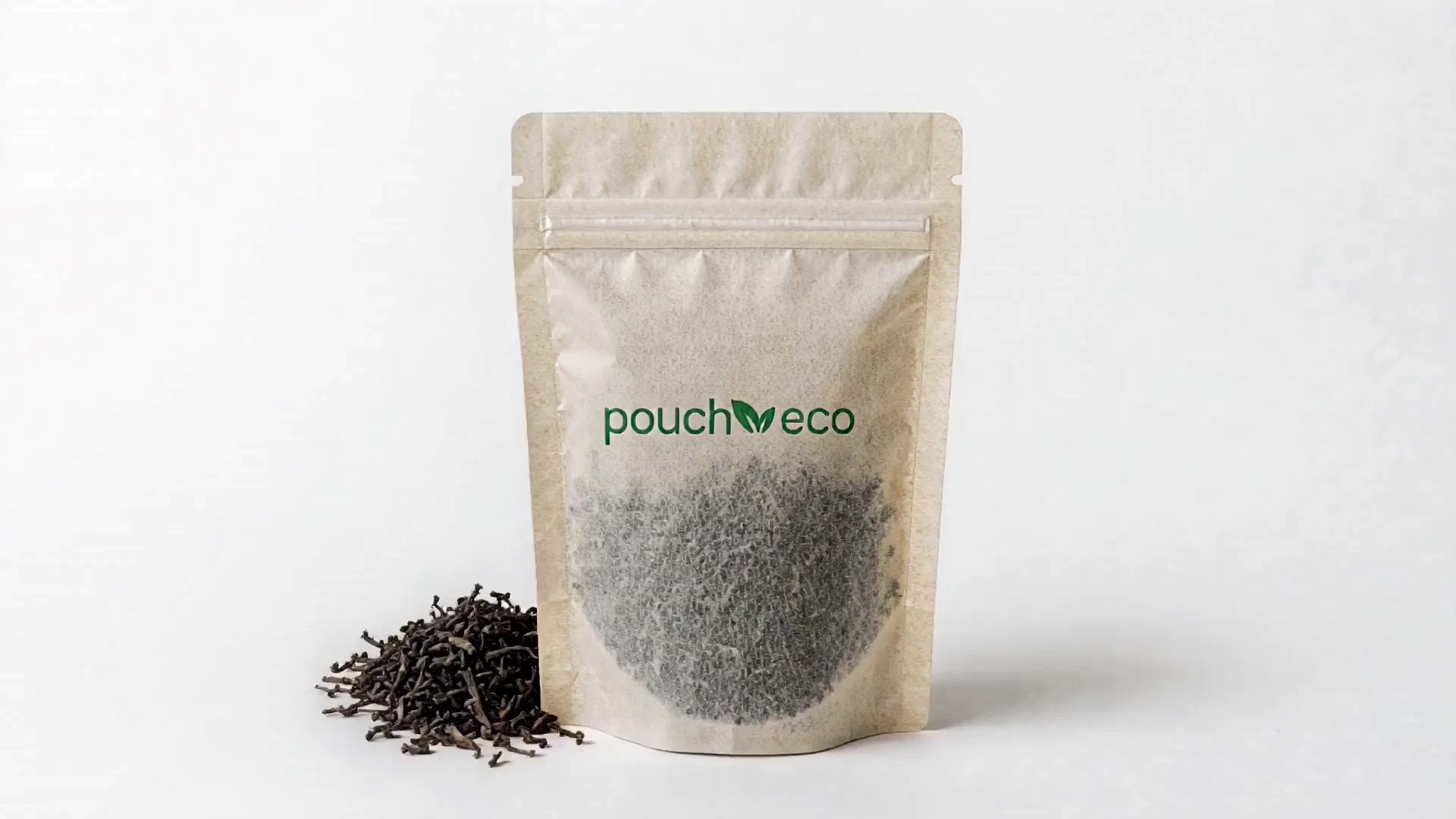
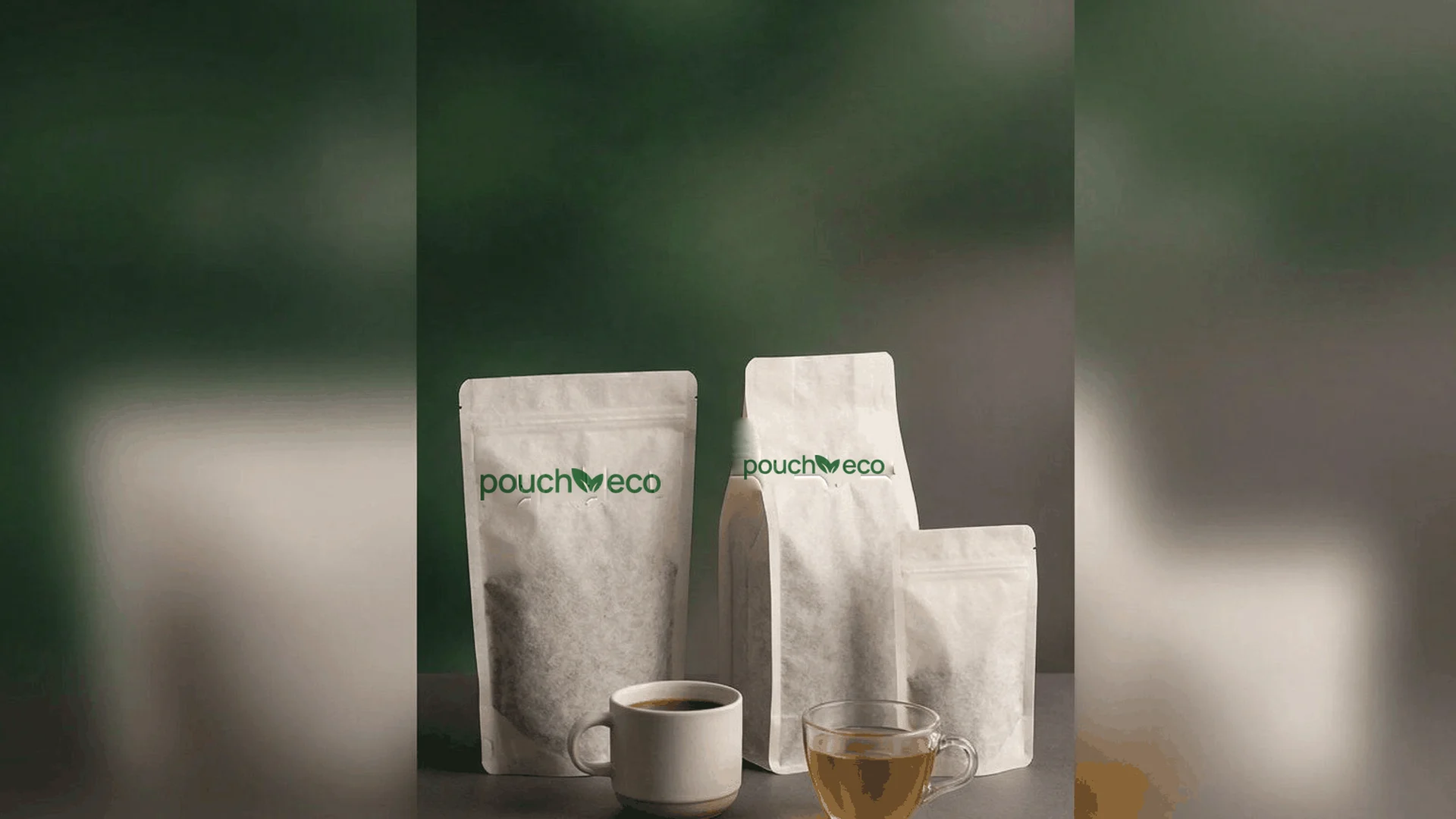
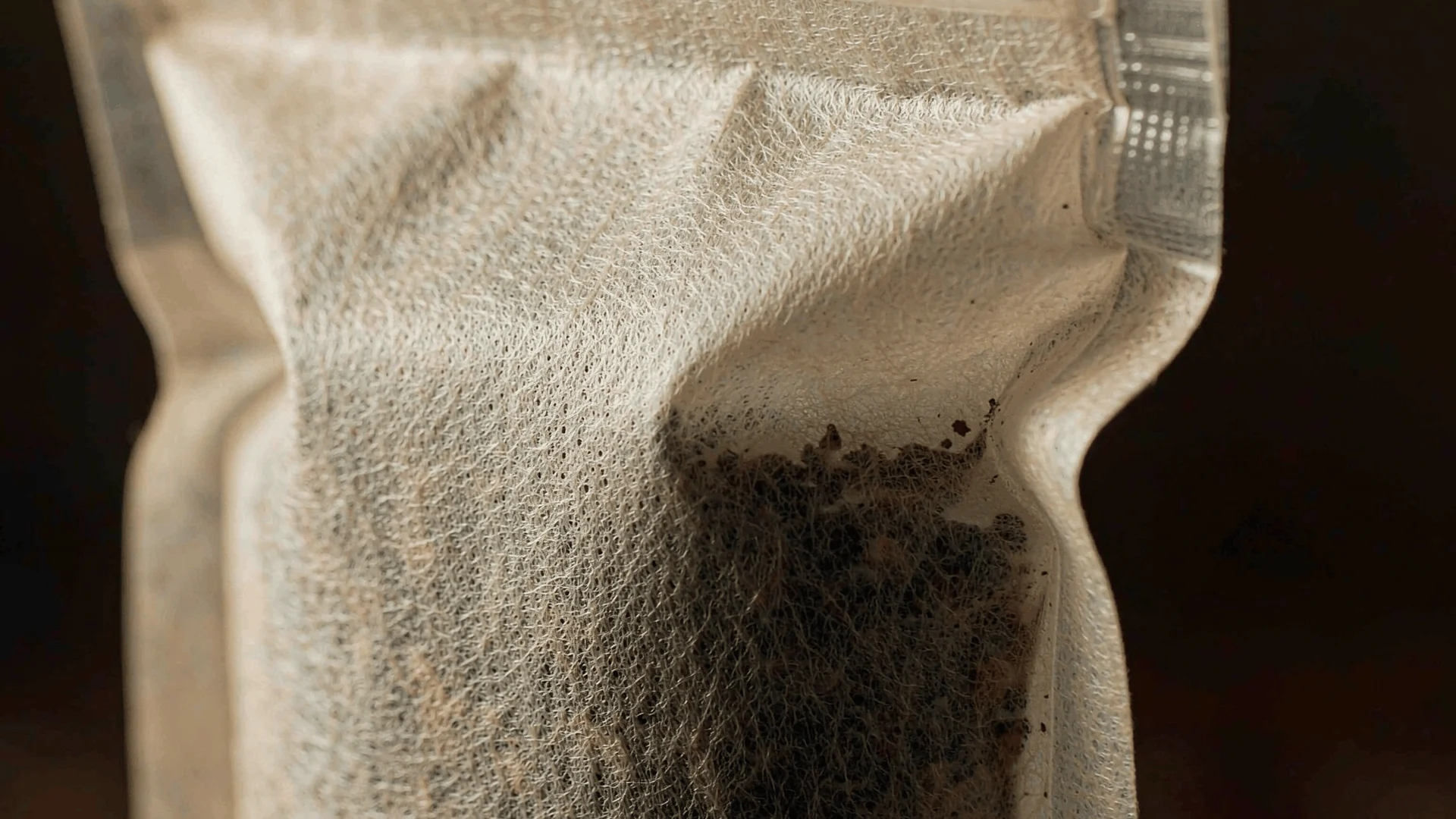
Cotton and rice paper with a compostable PLA barrier. Home compostable — no industrial facility, no plastic laminate to peel away.
Stands up on its own, reseals with a hidden pocket zipper, and stays quiet in the cupboard — no crinkle, no plastic sheen.
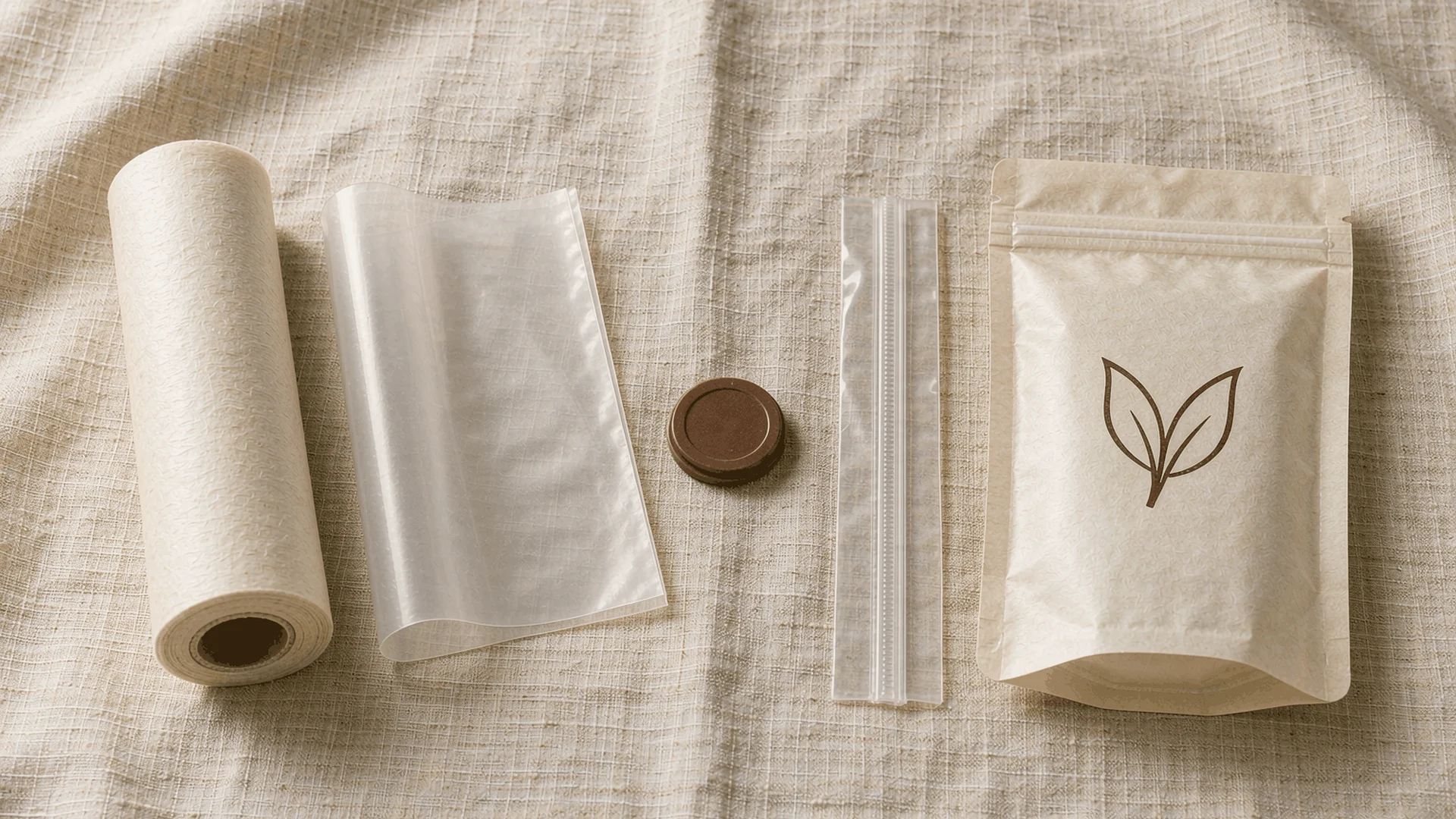
Rice paper, a compostable PLA barrier, a degassing valve, a pocket zipper. Four parts, and they break down together.
Uncoated, unbleached, slightly translucent. You can see the paper — and faintly, what is inside it.
Paper feels different in person. We send unprinted and printed samples so you can judge the texture before you commit.
Every material we sell states its exact standard — Seed logo (industrial) or AS 5810 (home) — and every product page lists what it is not certified for. Start with a $40+ sample kit, credited to your first order.
Real founders and buyers on working with us — from first sample to 4-week turnaround.
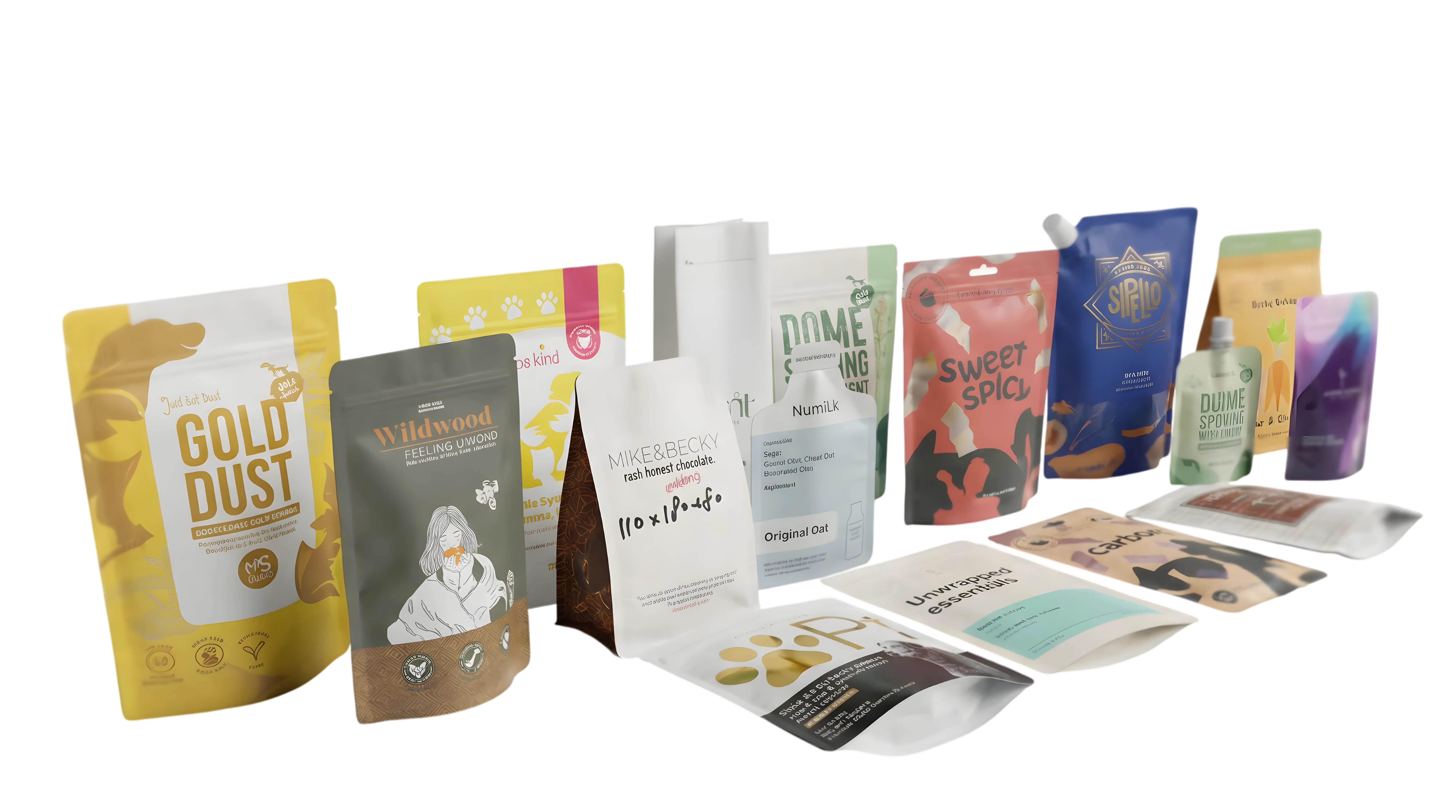















Fill them with your actual product. Shelf-test them. Then decide — the kit fee comes off whatever you order next.
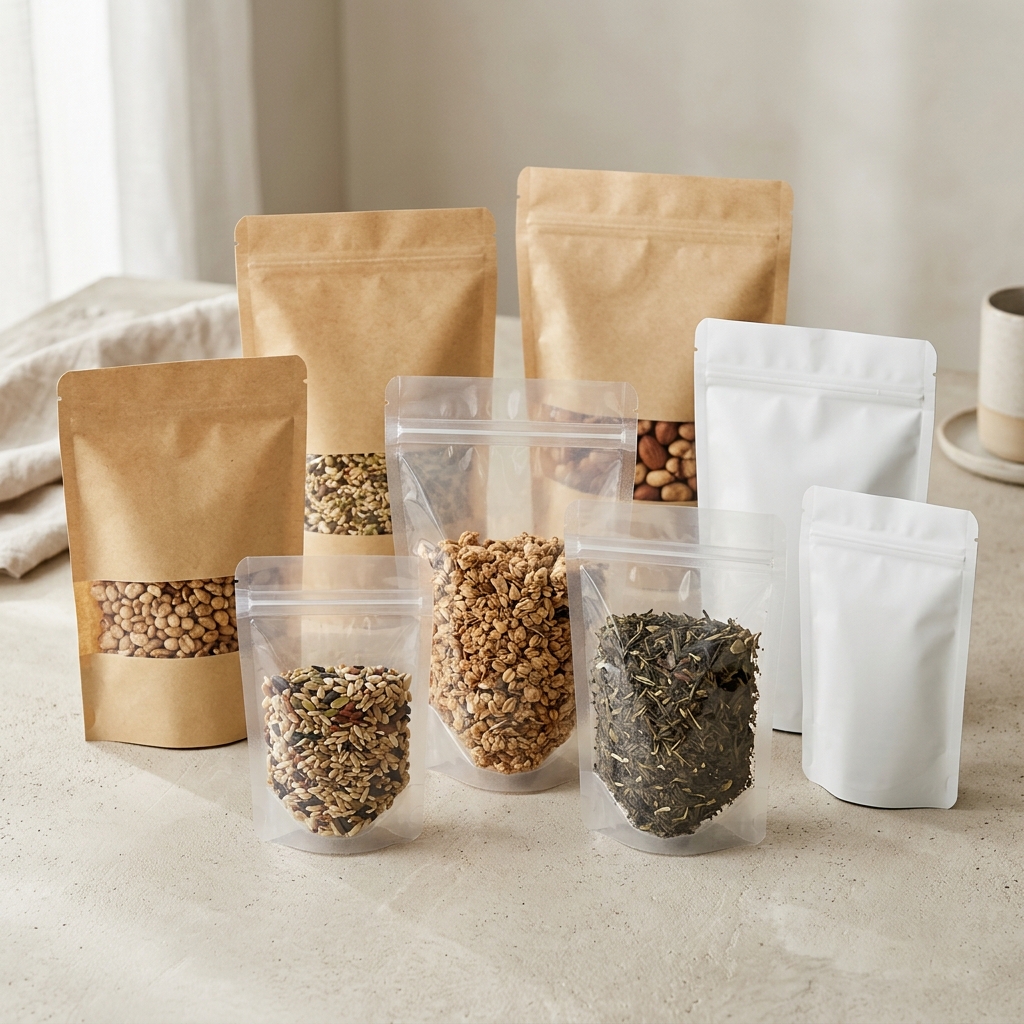
6 pouch formats · valves installed · compostable + recyclable + Bio-PE options
Roasters testing 250g–1kg formats
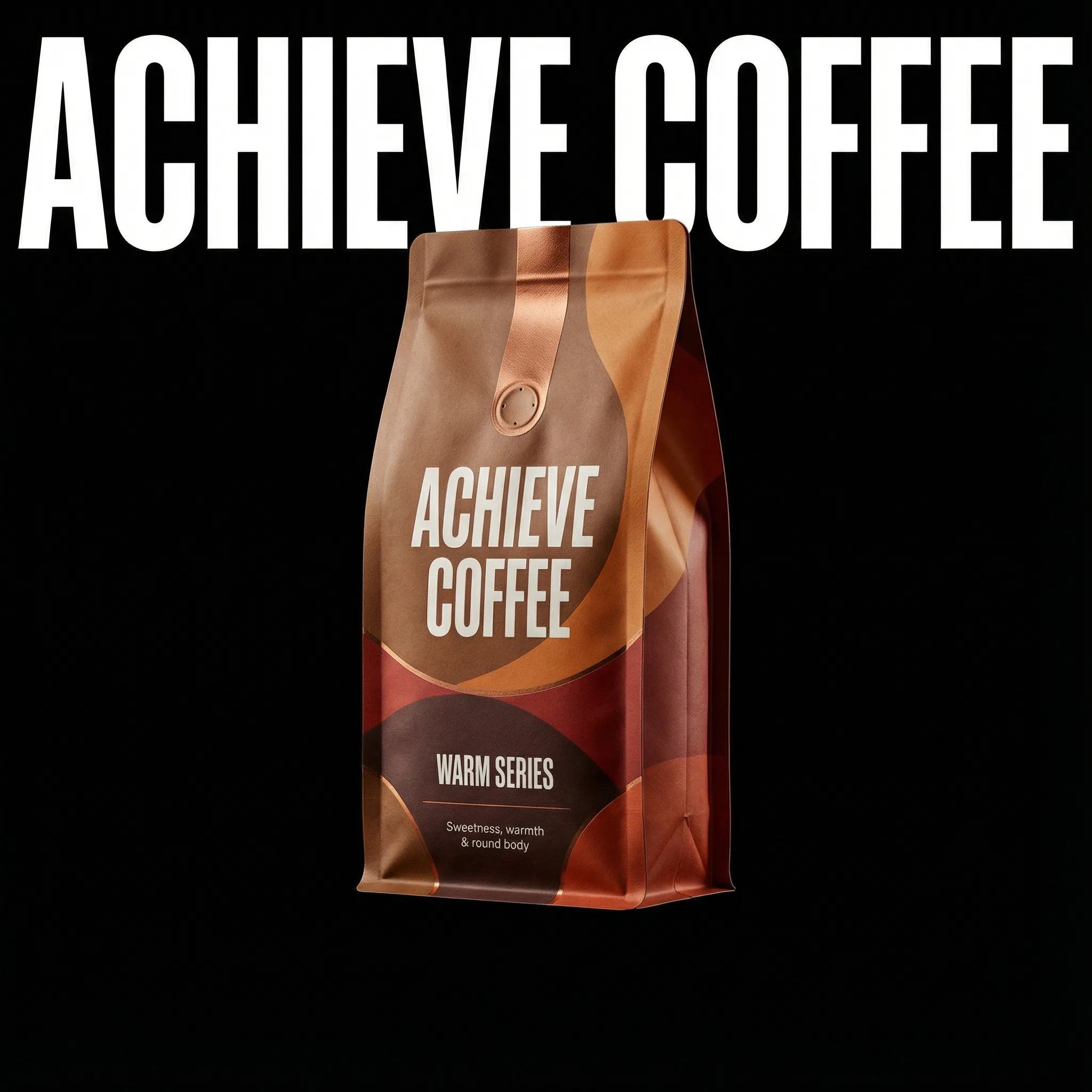
Stand-up + flat-bottom + 3-side seal · zipper and tin-tie closures
Granola, nuts, treats — fill-weight tested
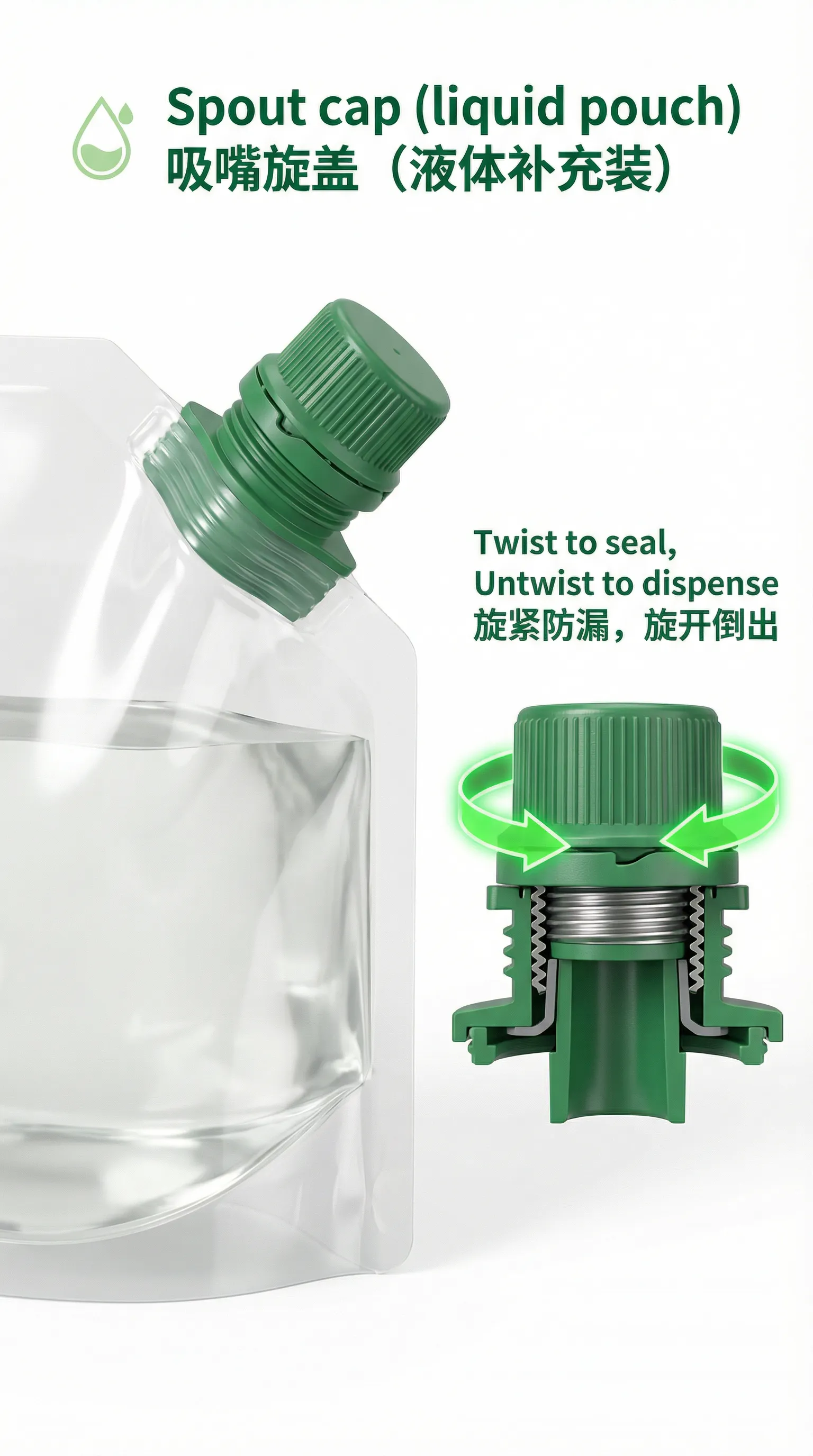
Spout pouches in 3 fitment sizes · leak-tested to 3kg internal pressure
Sauces, oils, purees, refill brands
Every material claim below is paired with its boundary. We print what is true — and we state what is not.

Kraft/PLA and cellulose builds
Industrial composting requires a facility. Home-compostable (AS 5810) is a different tier. Kraft/PLA won't survive 6+ month shelf life with high-fat contents.

Single-polymer structures
Not compostable — never. Calling it so would contaminate the organics stream. Mid-barrier; months, not a year.

Same PE molecule, renewable carbon
Not compostable — and we won't let your artwork imply otherwise. "Biodegradable" is a claim we reject on press proof.

Post-consumer resin
A recycled-content claim, not a recyclable one. Different axes. Color and clarity vary by batch. Not for direct food contact without FDA testing.
All data from ASTM / ISO / EN test reports. Certification numbers available on request.
The film runs the four structures we actually convert — what each layer does, which claim is legal on pack, and the one number that rules a structure out. Shot in our own plant on our own pouches, not stock footage.
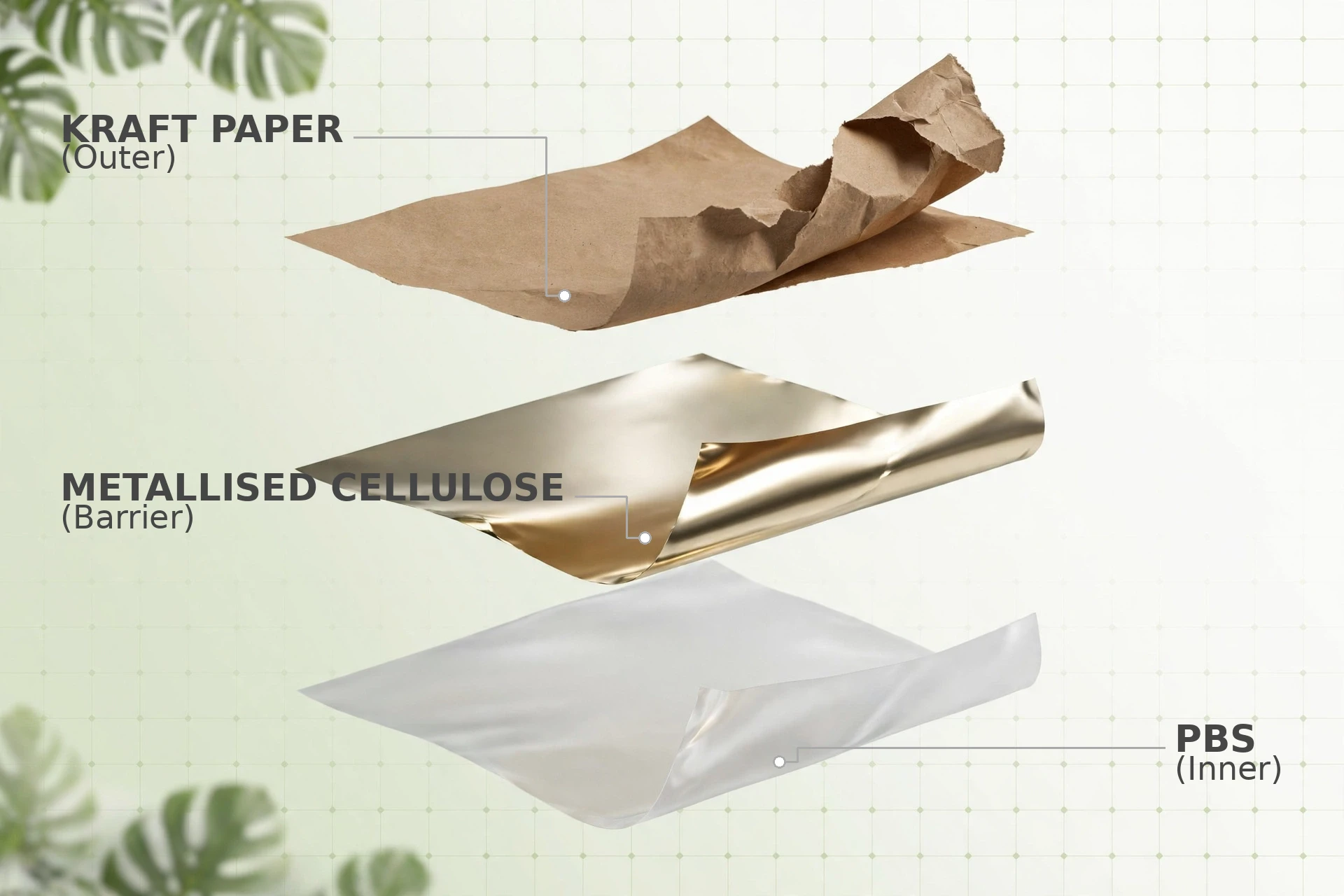
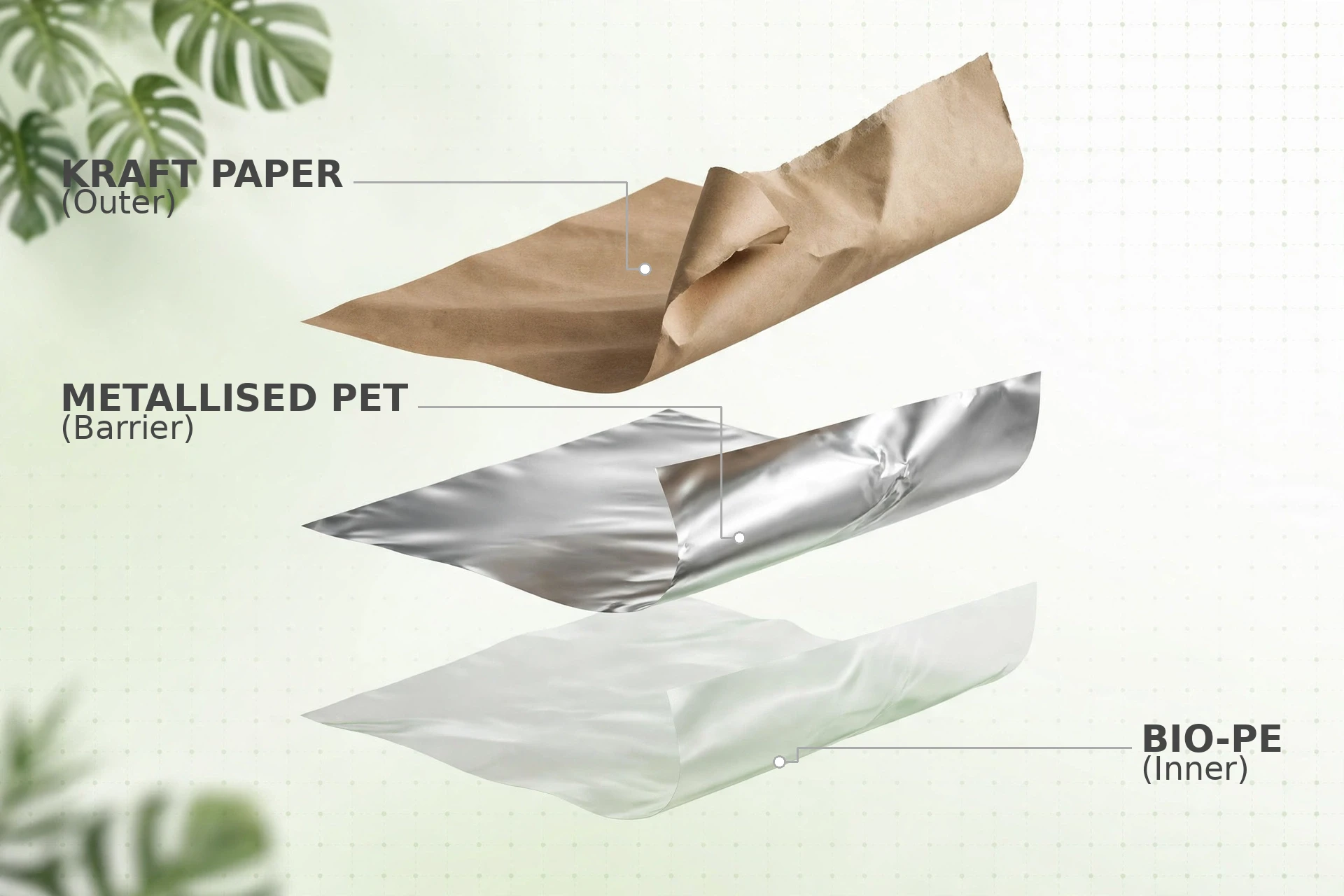
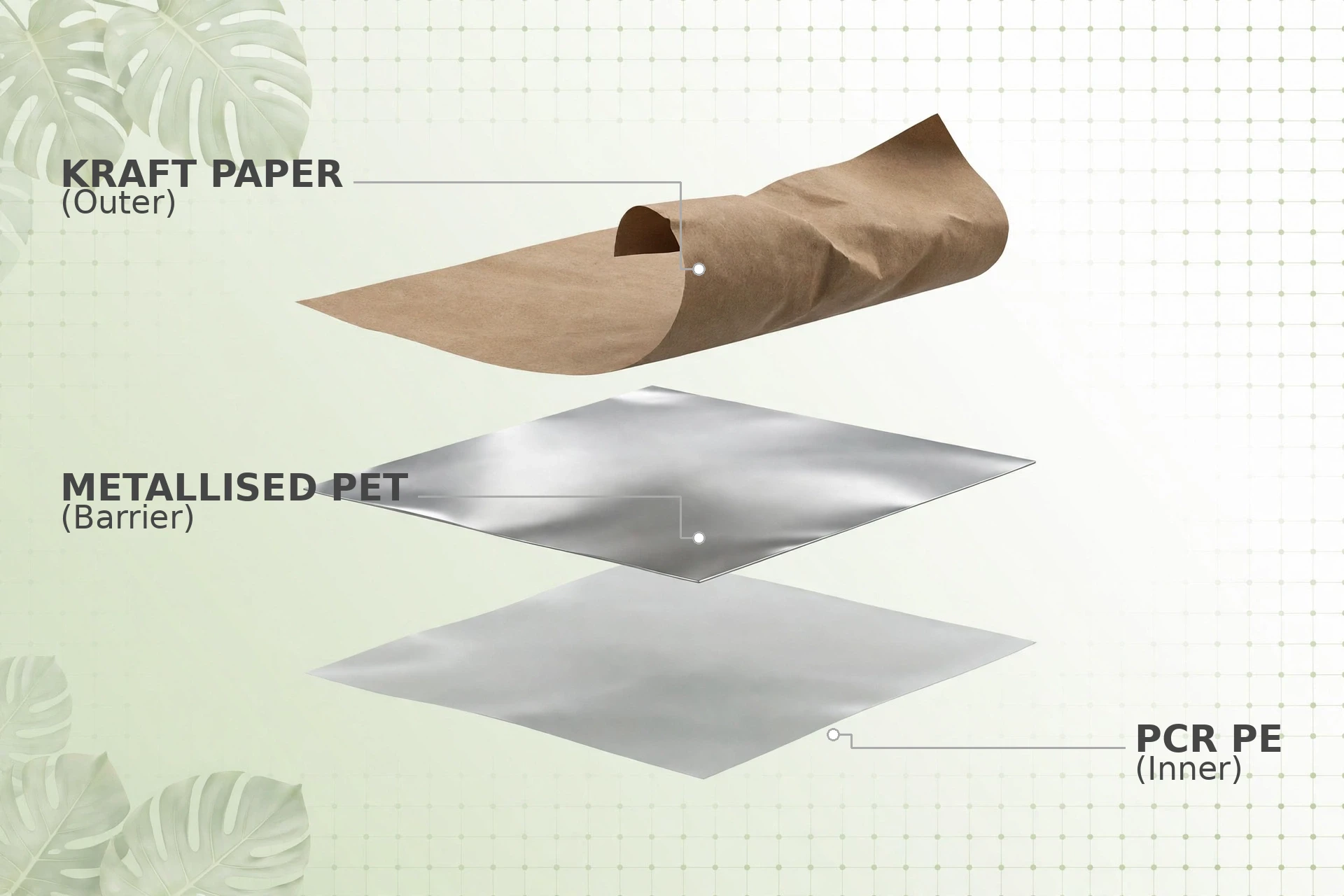
Every stack is drawn layer by layer, with the family label, the one claim that is legal on pack, and what that family is not certified for. Two pairs get confused most often: compostable splits into a home tier (PBS seal) and an industrial tier (PLA seal), and Bio-PE and PCR are the same kraft-and-metallised-PET laminate that differs only in the sealant resin. Neither of those two carries a compostable or a recyclable claim.
Compostable — two tiers. Which one you may print follows the sealant, not the look.
The diagram shows the home-compost build. The industrial build is a different film — a metallised PLA barrier and a PLA seal — and carries a different certificate. There is no laminate to peel apart and nothing to sort either way: all three layers go into the same bin as one pouch.
Kraft paper
Your print surface, and the body that lets the pouch stand up empty.
Metallised cellulose
Vapour-deposited aluminium on cellulose — the barrier layer that still composts. Home tier only; the industrial build runs metallised PLA here instead. It is not foil.
PBS
Food-contact, heat-sealable compostable seal — and the reason this is the home-compost build. The industrial tier seals with PLA instead.
PBS seal · AS 5810 / OK Compost HOME
Backyard bin, 20–30 °C, roughly 180 days
PLA seal · Seed logo — EN 13432 / AS 4736
Commercial facility, 58–60 °C, roughly 12 weeks
OTR <5 cc/m²·day · WVTR <5 g/m²·day at 120μm (vs foil <0.05)
Home bin: AS 5810. Industrial: the Seed logo. Name the tier on pack — the two are not interchangeable. (EN 13432 · AS 4736 · AS 5810)
Recyclable — single polymer family, so the whole pouch enters one stream.
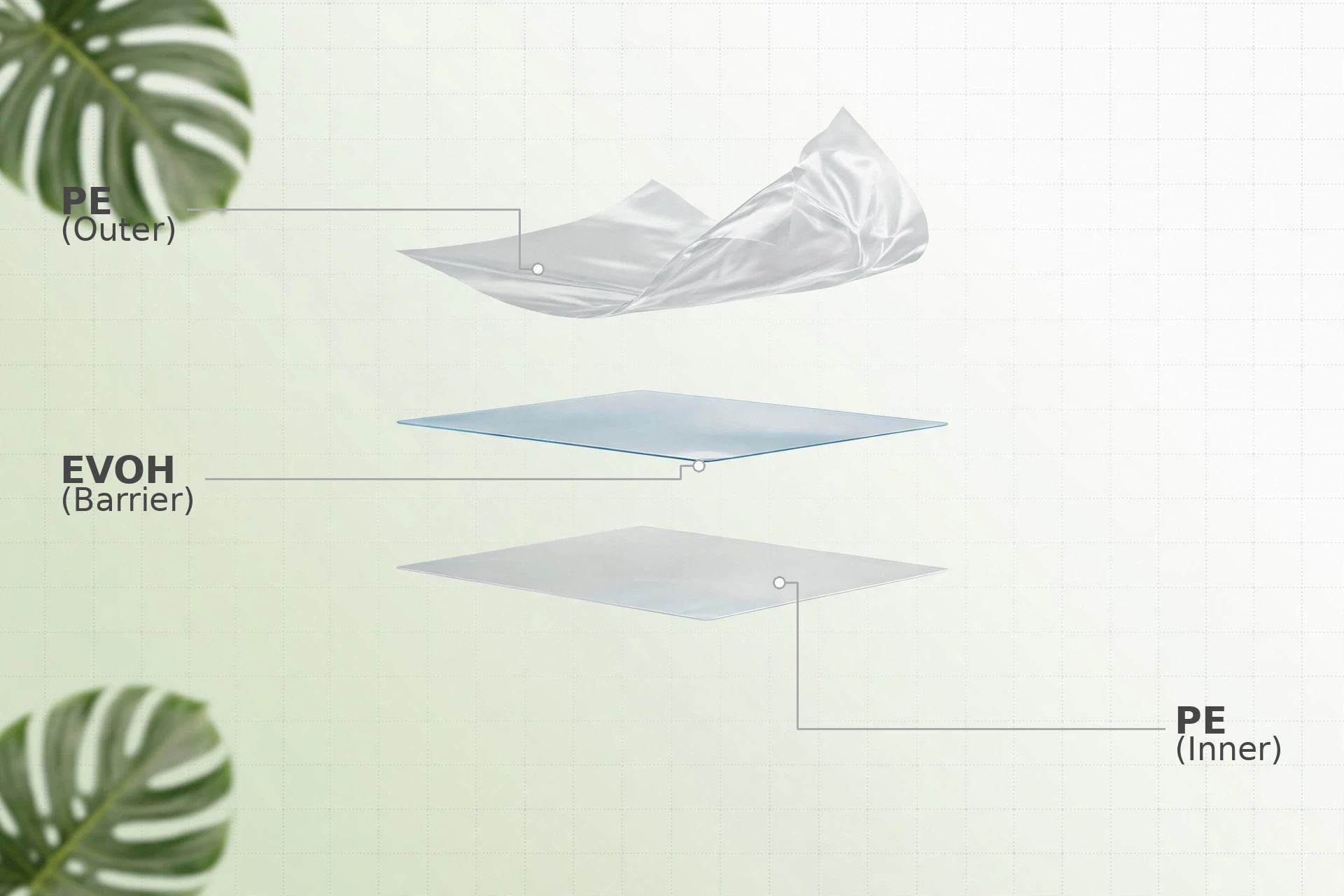
Every layer is polyethylene, so the pouch reprocesses as one material instead of being separated. The EVOH core adds an oxygen barrier without breaking that.
PE
Print film in the same polymer family as the sealant — which is what makes the whole build recyclable.
EVOH
An ultra-thin oxygen barrier, held under about 5% of structure weight so the pouch still qualifies as PE.
PE
Food-contact seal layer. Same polymer as the outer, so no adhesive incompatibility at reprocessing.
OTR <2 cc/m²·day and WVTR <1 g/m²·day with the EVOH core; <8 and <12 without it, at 100–120μm
Store drop-off #4, printed as “recyclable where facilities exist”. (How2Recycle · stream #4)
Bio-based — renewable carbon. Not compostable, and not recyclable as this laminate.
Bio-based describes where the carbon came from — sugarcane ethanol instead of fossil feedstock — not where the pouch goes after use. Those are two different claims and this family only carries the first.
Kraft paper
Print surface and body. FSC sourcing available.
Metallised PET
Near-foil moisture and oxygen barrier at a fraction of foil’s weight. This is the layer that makes the build a mixed laminate.
Bio-PE
Polyethylene made from sugarcane ethanol — the same PE molecule, renewable carbon, ASTM D6866 tested.
OTR <1 cc/m²·day · WVTR <1 g/m²·day at 150μm — near-foil, ~10–20× more oxygen ingress than true aluminium
Bio-based percentage (ASTM D6866) — the number you print is the number we test. (ASTM D6866)
Recycled content — post-consumer resin. A recycled-content claim, not a recyclable one.
Recycled content and recyclability are separate axes. This structure re-uses post-consumer resin and can prove the percentage — it still cannot be reprocessed once it is laminated.
Kraft paper
Print surface and body. FSC sourcing available.
Metallised PET
Near-foil moisture and oxygen barrier at a fraction of foil’s weight. Same barrier as the bio-based stack.
PCR PE
Post-consumer recycled polyethylene under GRS chain of custody. 30–90% recycled content available; colour and clarity vary by batch.
OTR <1 cc/m²·day · WVTR <1 g/m²·day at 150μm — identical to the bio-based stack
GRS recycled content percentage — auditable back to the resin supplier. (GRS 4.0 chain of custody)
Barrier figures are typical values from ASTM / ISO / EN test reports on the structures we run, at the thicknesses stated. Certification covers the full structure — not one film — and logo artwork may carry the certifier’s own sublicense fee, which we flag before artwork starts. Certification numbers available on request.
Verified brands — real first orders, real outcomes
“The packaging looks and feels wonderful, matches my design almost perfectly. It's the main thing customers compliment about our products.”


Not a slideshow. Finished compostable pouches you can open with your hands, film structures side by side, and spec sheets with every number on them — including the limits.
 1/9
1/9Real photos, straight off the hall floor.
Real printed pouches on the counter. Nothing behind glass, nothing you have to ask permission to touch.
EN 13432 and AS 5810 certificates on the table. If a structure will not work for your product, you hear it here — not after the run.
Size, material, quantity. Quoted on the spot, or in writing within one working day.


Balloon-style side gusset with no vertical side-sealing edges. Clear window for product visibility. Matte finish with soft-touch laminate. Designed for rice, grains, and bulk dry goods.
"First order was 600 bags. Nobody else would even quote under 5,000. Eight months later we reordered 4,000 — same factory, same contact person."
Founder, snack brand, Canada — first order 600 pcs (anonymized from real correspondence)Only the cellulose line (AS 5810 / OK Compost HOME). Kraft/PLA is industrial-only (EN 13432 / AS 4736, Seed logo). Each product page states which — we never blur the two.
Digital printing removes plate costs, so short runs are economical. Gravure starts at 10,000 and costs less per unit — we quote both when your volume justifies it.
It depends on your customer's disposal reality: subscribers who compost → compostable. National retail → recyclable mono-PE. 6+ month shelf life → recyclable or conventional; compostable barriers cap at ~70% of foil.
We never mark up certifiers' fees — but some logos carry their own sublicense (BPI ≈ US$3,000/yr, paid to BPI). We map which mark your market recognises and flag any fee before artwork starts.
Start with a $40+ kit or 500 custom pieces. Scale when it sells.
Shop Starter KitsTalk to a Human
