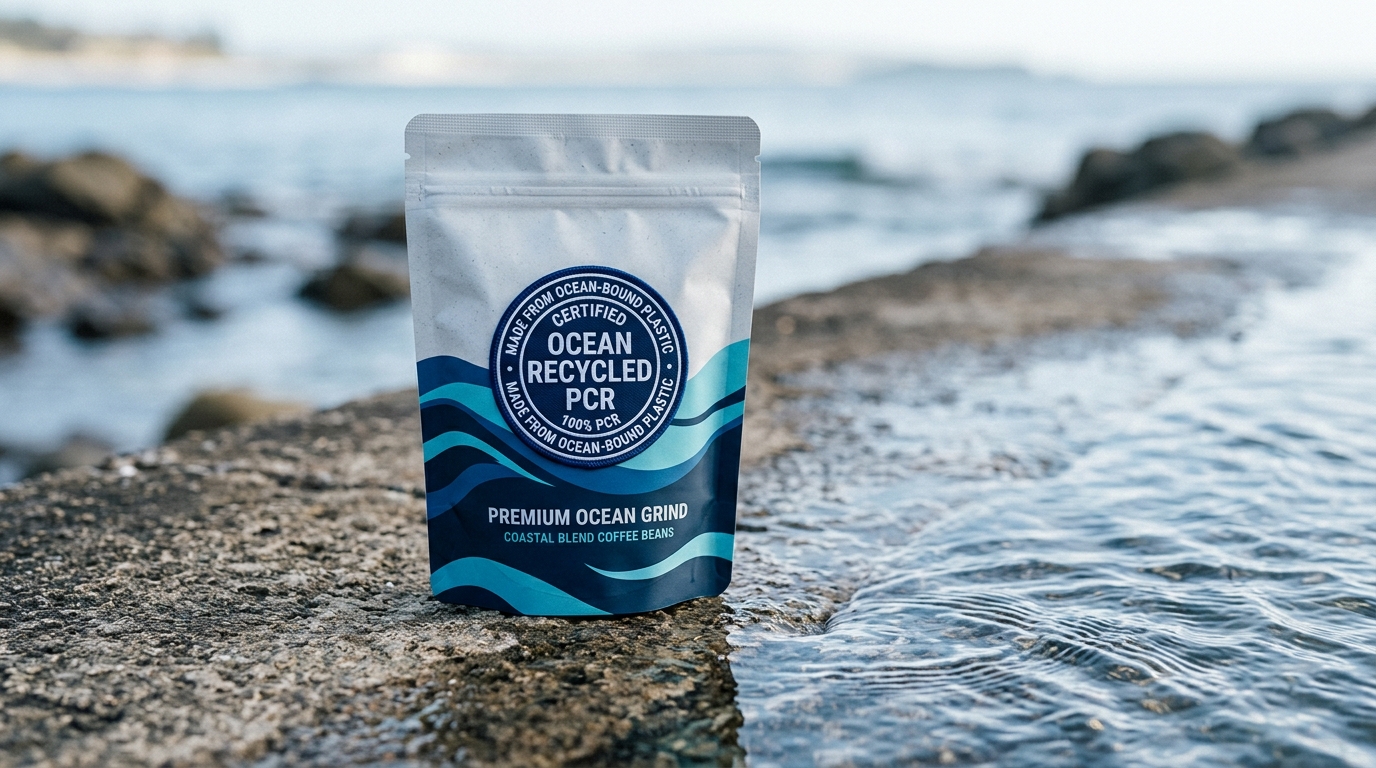
Learn more about optimal packaging methodologies.
The Reality of the Challenge
"Baking incredible artisanal bread takes patience, skill, and early mornings. Seeing that crust go soft or the crumb dry out because of cheap, generic bakery bags is incredibly frustrating. You want your customers to experience that perfect fresh-baked texture days after they buy it, but standard paper bags let the moisture vanish immediately. I've worked with master bakers who transformed their retail presence by switching to high-clarity, flat-bottom bags. They showcase the bread beautifully while locking in the exact micro-climate needed for a perfect crust."

Ryan Wong
Chief Packaging Engineer, Achieve Pack
Understanding the Process
A comprehensive look at the structural and material science involved.
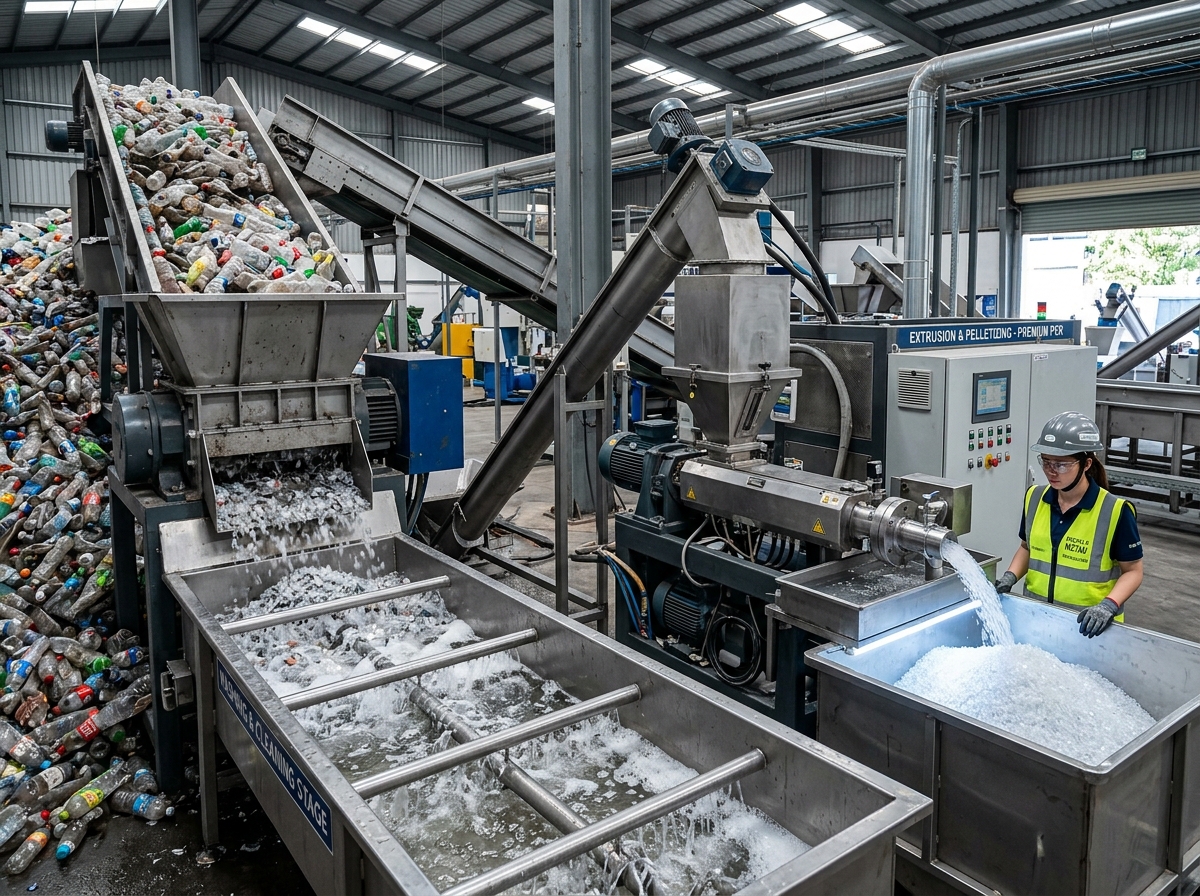
High-resolution visual demonstration showing material and structural features of the package.
Key Advantages
// CHIEF PACKAGING ENGINEER JOURNAL entry
"Optimized for maximum efficiency and brand impact."
100% Prepress Calibration Guaranteed
5 Core Challenges & Engineering Solutions
01Bread Drying Out (Staling)
Standard perforated paper bags offer zero moisture barrier, causing artisanal bread to go stale in 24 hours.
02Soft, Soggy Crusts
Completely sealed plastic bags trap too much humidity, destroying the crispy crust of sourdough or baguettes.
03Bags Falling Over on Shelves
Flimsy side-gusset bags slump and fall over, looking messy and unappealing in retail displays.
04Cloudy, Cheap-Looking Plastic
Low-quality LDPE films are hazy, hiding the beautiful texture and color of the baked goods.
05Difficult to Reseal
Twist ties and plastic clips get lost easily, leaving the bread exposed in the customer's pantry.
Standard Bakery Paper vs. Engineered Flat-Bottom Bread Bags
Compare moisture retention, clarity, and shelf appeal for artisanal baked goods:
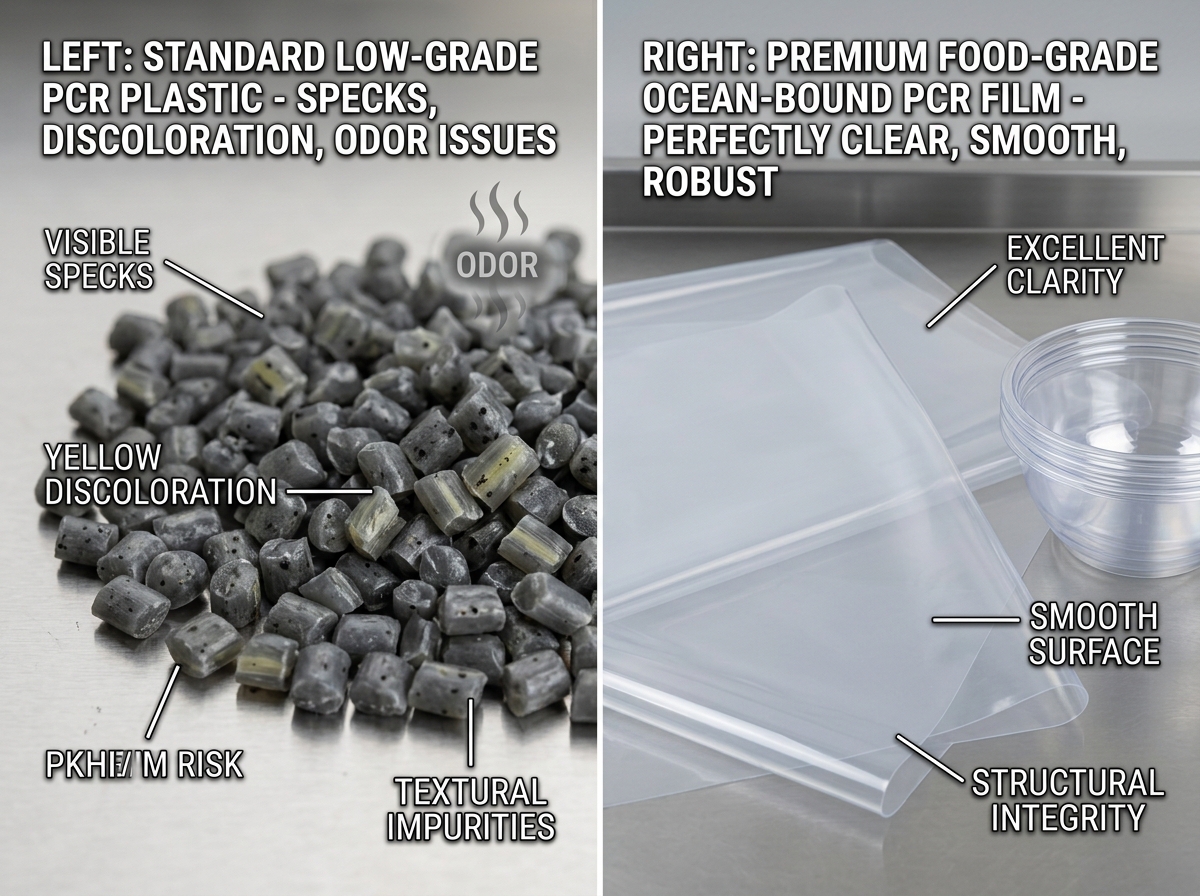
Visual packaging engineering representation comparing materials, barriers, or sealing methods.
Frequently Asked Questions
Are these pouches fully compostable?
Yes, our sustainable packaging solutions are certified home and industrial compostable, meeting EN 13432 and ASTM D6400 standards. They break down into non-toxic biomass within 90-180 days in a composting environment.
What is the minimum order quantity (MOQ)?
For DTC startups and pilot launches, we offer low MOQs starting from just 100 pieces for digitally printed pouches. For full custom rotogravure printing, the MOQ typically starts at 5,000 pieces.
Do they provide an adequate moisture and oxygen barrier?
Absolutely. We utilize advanced plant-based barrier coatings and metallized compostable films (like NatureFlex) that provide excellent OTR and WVTR ratings, comparable to traditional plastic packaging.
Packaging Performance Comparison Matrix
| Parameter | Standard Specifications | Eco-Engineered Specifications |
|---|---|---|
| Material Barrier Thickness | 80 Microns (Mixed laminates) | 120 Microns (Mono PE / Plant-Based) |
| Oxygen Transmission Rate (OTR) | 1.5 cc/m²/24hr (Standard) | Near Zero (<0.05 cc/m²/24hr) |
| EPR Modulated Tax Level | Maximum tier surcharges | Lowest modulated tax brackets |
Frequently Asked Questions
Why do bread bags need micro-perforations?
Fresh bread releases moisture. If the bag is completely sealed, the moisture turns into condensation and makes the crust soggy. Micro-holes let the excess escape.
What is a flat bottom bag?
Also known as a box pouch, it has a completely flat, rectangular base (like a cereal box), allowing it to stand perfectly upright without slumping.
Can these bags be customized with my logo?
Yes. We offer high-resolution rotogravure printing on the outer layer, allowing for vibrant logos, matte finishes, and clear windows.
Standard Factory Quality Control & Material Auditing
Our general quality management system guarantees that every packaging batch meets international safety requirements. We perform rigorous mechanical, thermal, and barrier tests from raw materials to final shipping pallets to ensure complete peace of mind.
Gas Transmission
Gas transmission rate tests verify material specification sheets.
Chemical Safety
Zero chemical odor or harmful heavy metal contamination.
Heat Seal Strength
Verifies strong and secure heat seal seams for leak prevention.
Manufacturing Standard
Strict quality logs maintained for traceability of every batch.
Transit Durability
Simulated shipping tests ensure packages arrive in pristine condition.
Tensile Strength
Film properties optimized for smooth packaging line operation.