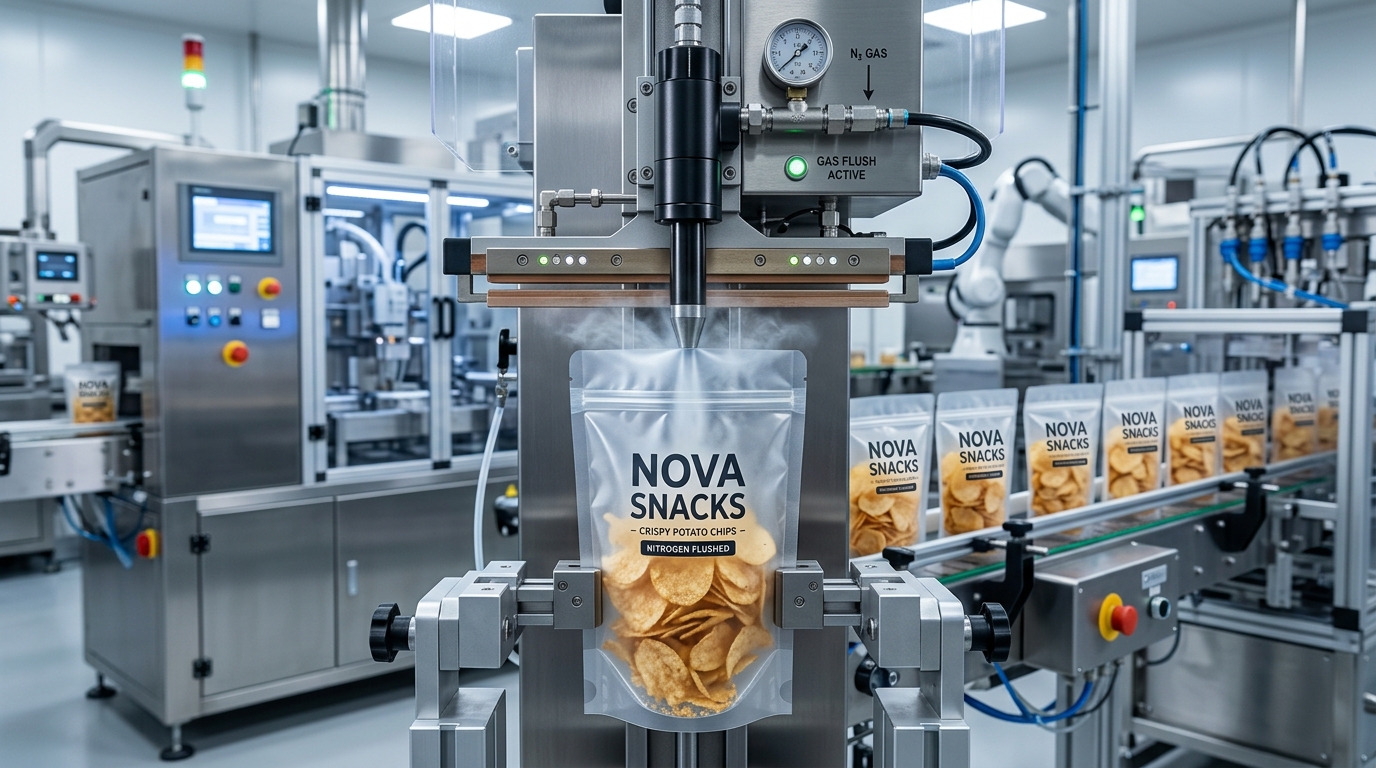
Learn more about optimal packaging methodologies.
The Reality of the Challenge
"Finding mold on your beef jerky because oxygen leaked through a cheap packaging film is a fast track to lost retailers and ruined reputations. We understand the sheer panic of a product recall caused by failing oxygen barriers. You spend days perfecting your marinade and drying process; you cannot afford to have it ruined by sub-par plastics on the shelf. I've engineered solutions for meat snack brands who were suffering 10% spoilage rates, completely eliminating the issue by upgrading to puncture-resistant, ultra-high barrier laminates. Your jerky deserves fortress-level protection."

Ryan Wong
Chief Packaging Engineer, Achieve Pack
Understanding the Process
A comprehensive look at the structural and material science involved.
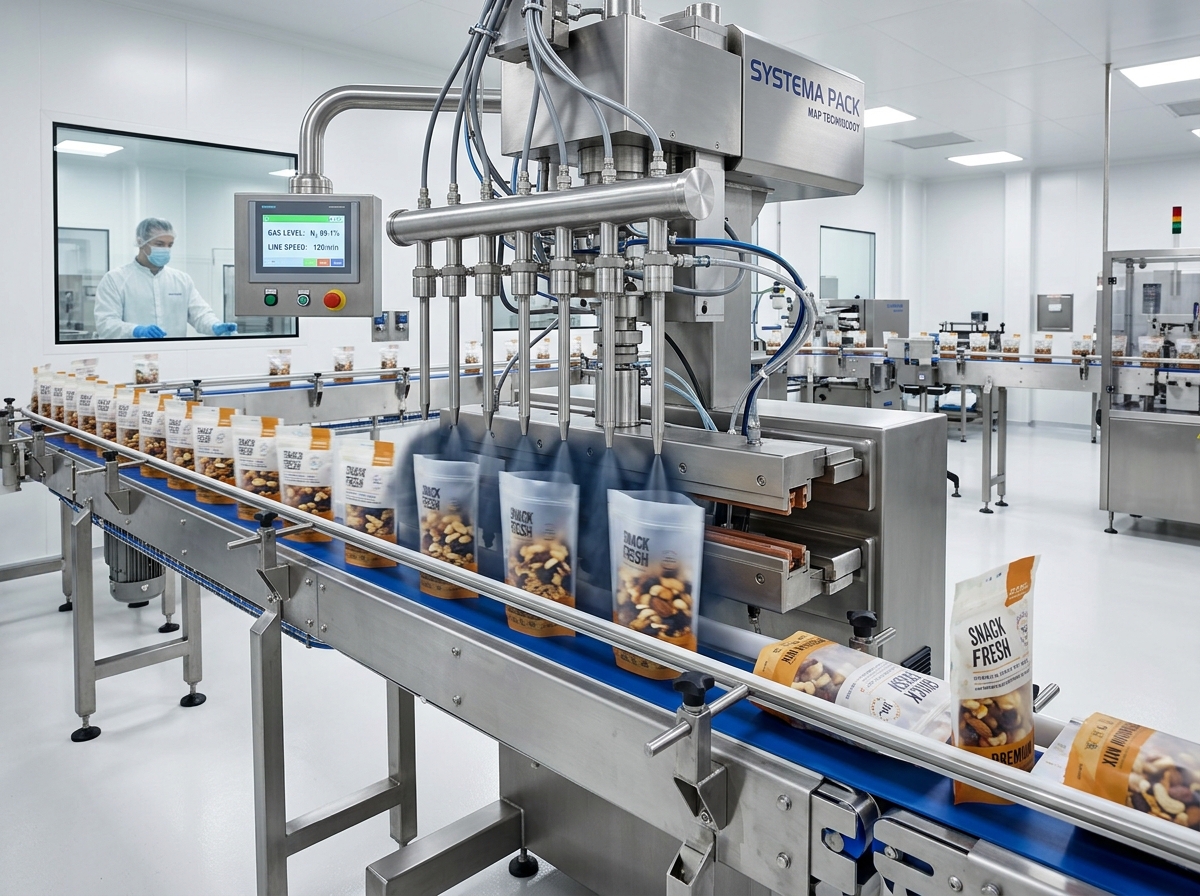
High-resolution visual demonstration showing material and structural features of the package.
Key Advantages
// CHIEF PACKAGING ENGINEER JOURNAL entry
"Optimized for maximum efficiency and brand impact."
100% Prepress Calibration Guaranteed
5 Core Challenges & Engineering Solutions
01Oxygen Permeability Spoiling Meat
Jerky is highly sensitive to oxidation; standard films allow oxygen to seep in, causing mold and rancidity.
02Sharp Jerky Edges Puncturing the Bag
Dried meat can have sharp, hard edges that physically poke tiny holes through thin plastic films during transit.
03Grease and Oil Weakening the Seals
The natural fats in the meat migrate into the heat seal, preventing a secure closure and causing leaks.
04Loss of Protective Nitrogen
Nitrogen gas flushed into the bag escapes if the zipper or side seals are not absolutely hermetic.
05Moisture Loss (Stale Jerky)
If the Water Vapor Transmission Rate (WVTR) is too high, the jerky dries out and becomes unchewable.
Standard Snack Bags vs. Ultra-High Barrier Jerky Laminates
A technical comparison of oxygen transmission, puncture resistance, and shelf life:
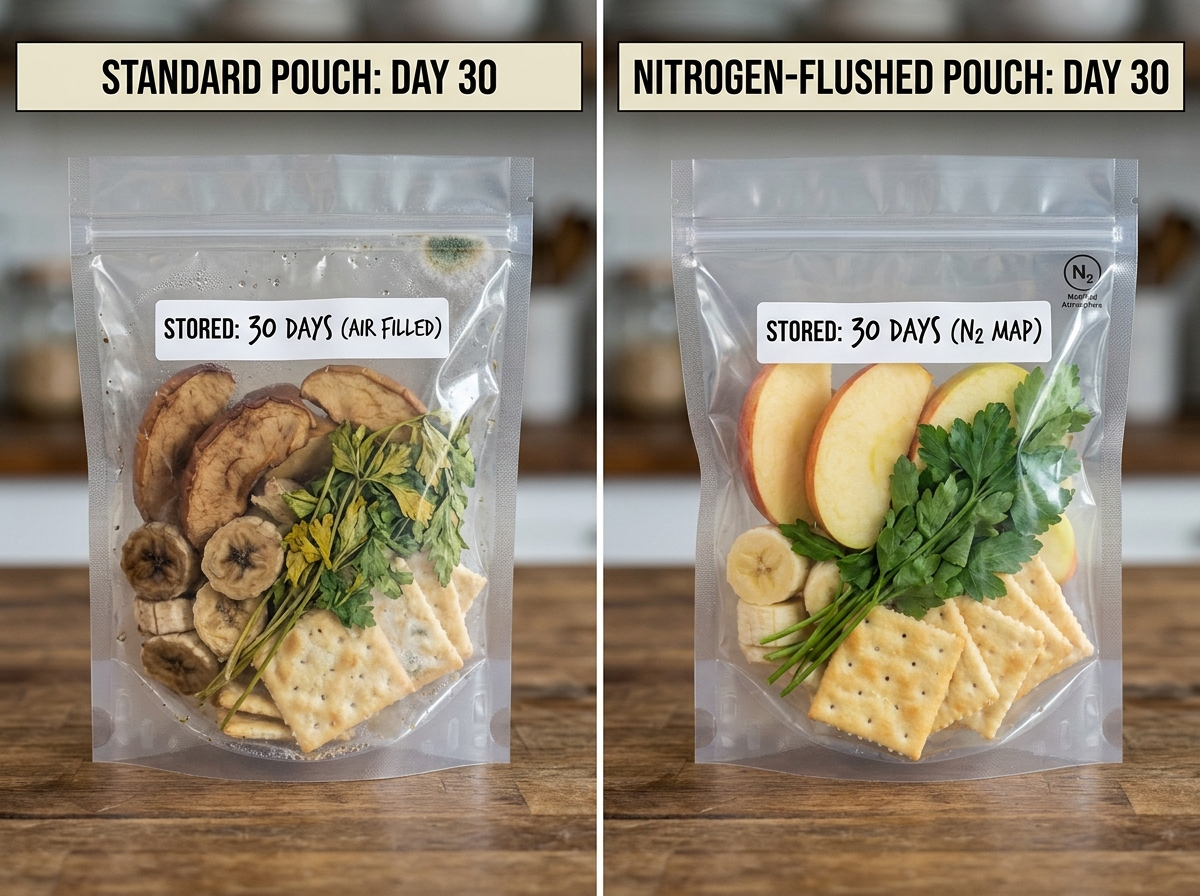
Visual packaging engineering representation comparing materials, barriers, or sealing methods.
Frequently Asked Questions
Are these pouches fully compostable?
Yes, our sustainable packaging solutions are certified home and industrial compostable, meeting EN 13432 and ASTM D6400 standards. They break down into non-toxic biomass within 90-180 days in a composting environment.
What is the minimum order quantity (MOQ)?
For DTC startups and pilot launches, we offer low MOQs starting from just 100 pieces for digitally printed pouches. For full custom rotogravure printing, the MOQ typically starts at 5,000 pieces.
Do they provide an adequate moisture and oxygen barrier?
Absolutely. We utilize advanced plant-based barrier coatings and metallized compostable films (like NatureFlex) that provide excellent OTR and WVTR ratings, comparable to traditional plastic packaging.
Packaging Performance Comparison Matrix
| Parameter | Standard Specifications | Eco-Engineered Specifications |
|---|---|---|
| Material Barrier Thickness | 80 Microns (Mixed laminates) | 120 Microns (Mono PE / Plant-Based) |
| Oxygen Transmission Rate (OTR) | 1.5 cc/m²/24hr (Standard) | Near Zero (<0.05 cc/m²/24hr) |
| EPR Modulated Tax Level | Maximum tier surcharges | Lowest modulated tax brackets |
Frequently Asked Questions
Why does beef jerky need high barrier packaging?
Jerky contains proteins and fats that quickly oxidize, spoil, or mold if exposed to even tiny amounts of oxygen or moisture.
What is OTR and WVTR?
OTR (Oxygen Transmission Rate) and WVTR (Water Vapor Transmission Rate) measure how much air and moisture can pass through the plastic. Lower numbers mean better protection.
Do I still need an oxygen absorber packet?
Even with high-barrier films, a small oxygen absorber is highly recommended to eliminate the ambient air trapped inside the bag during the sealing process.
Standard Factory Quality Control & Material Auditing
Our general quality management system guarantees that every packaging batch meets international safety requirements. We perform rigorous mechanical, thermal, and barrier tests from raw materials to final shipping pallets to ensure complete peace of mind.
Gas Transmission
Gas transmission rate tests verify material specification sheets.
Chemical Safety
Zero chemical odor or harmful heavy metal contamination.
Heat Seal Strength
Verifies strong and secure heat seal seams for leak prevention.
Manufacturing Standard
Strict quality logs maintained for traceability of every batch.
Transit Durability
Simulated shipping tests ensure packages arrive in pristine condition.
Tensile Strength
Film properties optimized for smooth packaging line operation.