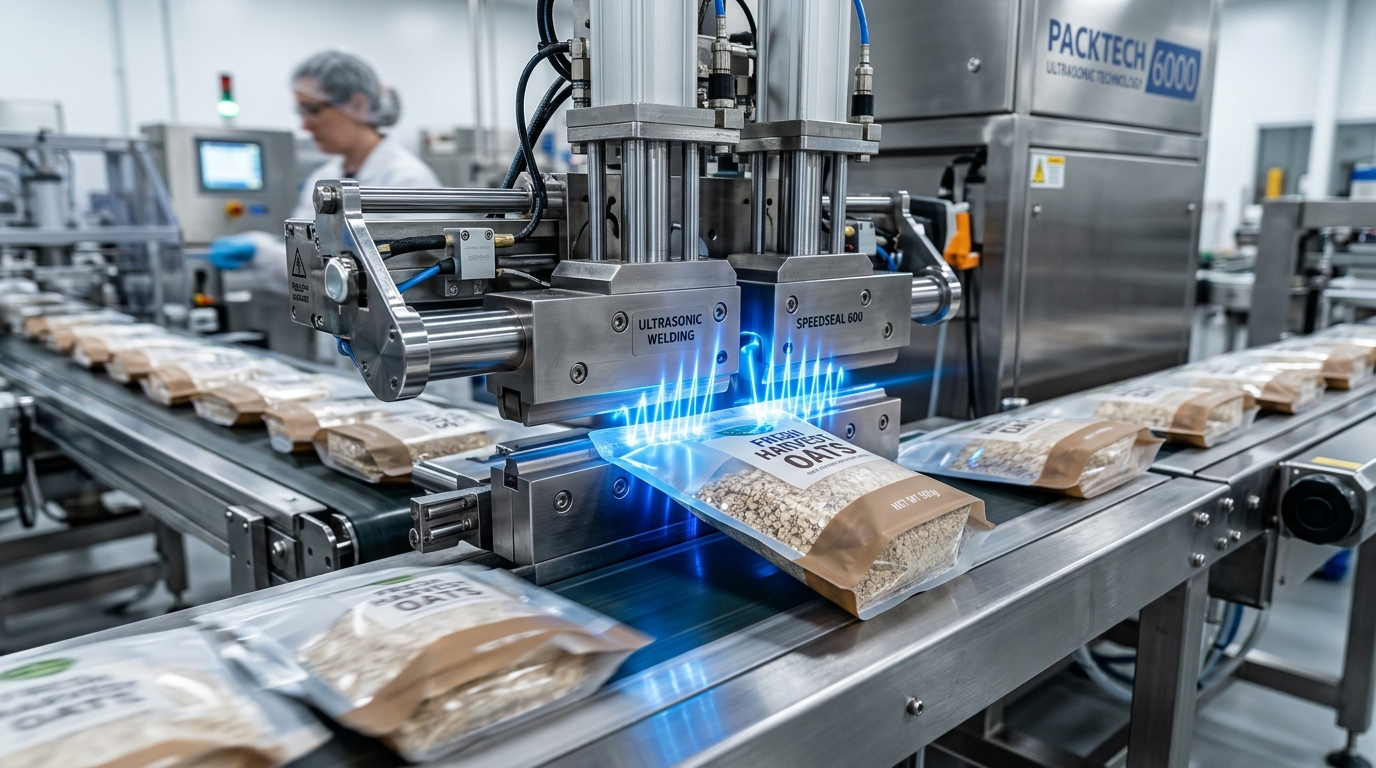
Learn more about optimal packaging methodologies.
The Reality of the Challenge
"You've designed a stunning metallic bag with spot gloss highlights, but when the factory asks for layered vectors, you realize your designer only provided a flattened JPEG. Now, your launch is delayed by two weeks while you frantically try to rebuild the file. We feel that pain. Flattened files are the enemy of high-end packaging. Without separated layers for white ink, spot UV, and CMYK, the printers are flying blind, and your premium finishes will look like a cheap sticker. Proper layered assets are the key to unlocking true packaging luxury."

Ryan Wong
Chief Packaging Engineer, Achieve Pack
Understanding the Process
A comprehensive look at the structural and material science involved.
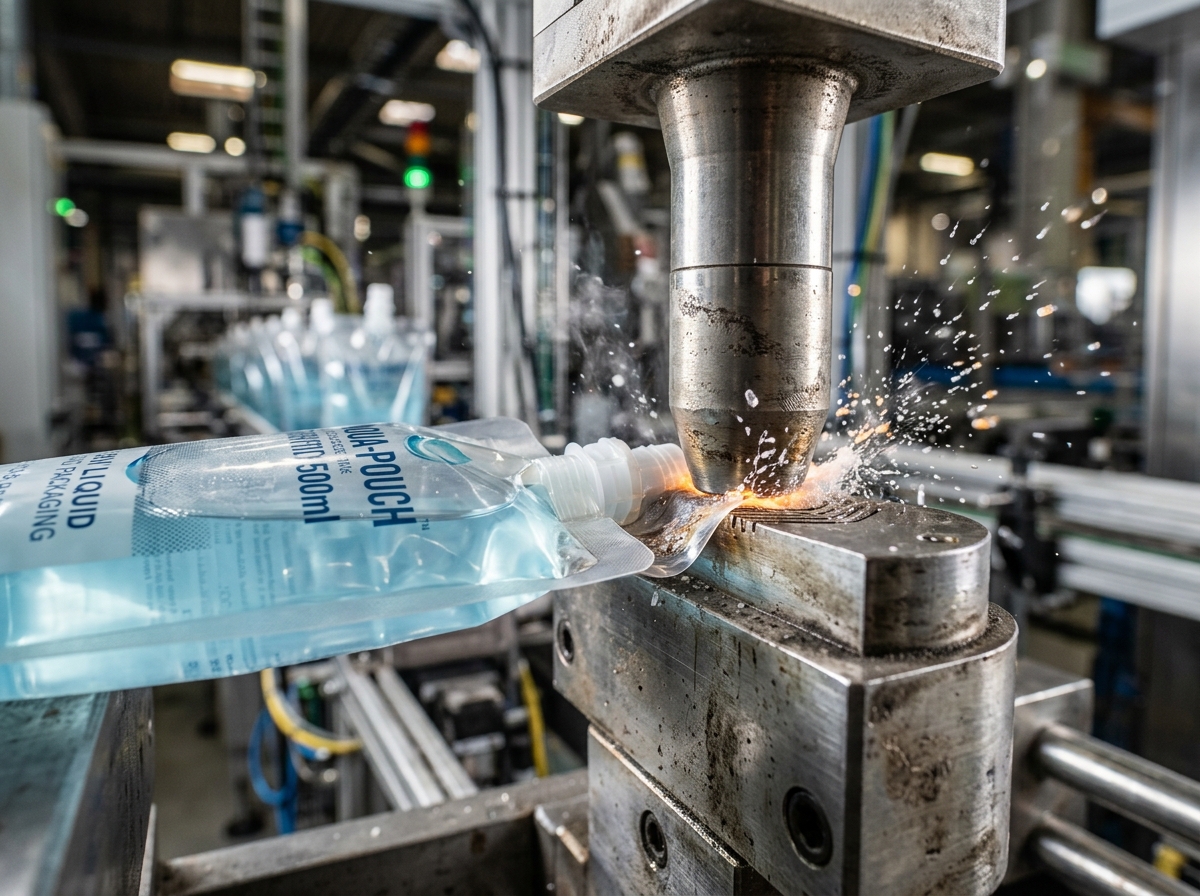
High-resolution visual demonstration showing material and structural features of the package.
Key Advantages
// CHIEF PACKAGING ENGINEER JOURNAL entry
"Optimized for maximum efficiency and brand impact."
100% Prepress Calibration Guaranteed
5 Core Challenges & Engineering Solutions
01Metallic Films Looking Dull
Printing CMYK directly onto metallic film without a white underbase creates muddy, dark colors.
02Misaligned Spot UV Gloss
Spot gloss varnishes are slightly offset from the printed logo because the layers were not separated.
03Blurry Text and Barcodes
Text rasterized into a flattened image loses its crispness during plate engraving.
04Inability to Edit Dielines
The structural cut line is merged with the artwork, causing the printer to accidentally print the black outline on the bag.
05Incorrect Pantones on Foil
Brand colors shift drastically when printed on foil without proper color profiling.
Flattened Art vs. Layered Pre-Press Architecture
How separating your digital assets unlocks premium physical finishes:
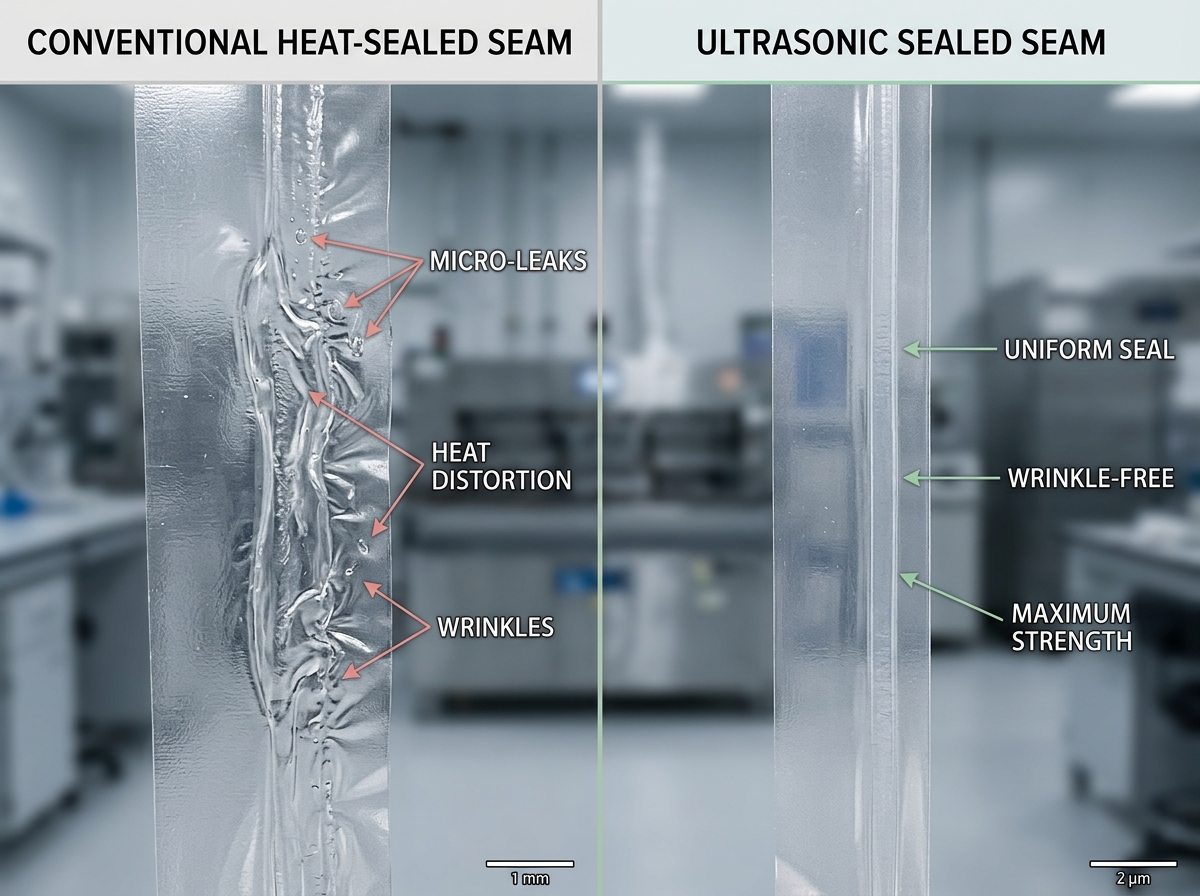
Visual packaging engineering representation comparing materials, barriers, or sealing methods.
Frequently Asked Questions
Are these pouches fully compostable?
Yes, our sustainable packaging solutions are certified home and industrial compostable, meeting EN 13432 and ASTM D6400 standards. They break down into non-toxic biomass within 90-180 days in a composting environment.
What is the minimum order quantity (MOQ)?
For DTC startups and pilot launches, we offer low MOQs starting from just 100 pieces for digitally printed pouches. For full custom rotogravure printing, the MOQ typically starts at 5,000 pieces.
Do they provide an adequate moisture and oxygen barrier?
Absolutely. We utilize advanced plant-based barrier coatings and metallized compostable films (like NatureFlex) that provide excellent OTR and WVTR ratings, comparable to traditional plastic packaging.
Packaging Performance Comparison Matrix
| Parameter | Standard Specifications | Eco-Engineered Specifications |
|---|---|---|
| Material Barrier Thickness | 80 Microns (Mixed laminates) | 120 Microns (Mono PE / Plant-Based) |
| Oxygen Transmission Rate (OTR) | 1.5 cc/m²/24hr (Standard) | Near Zero (<0.05 cc/m²/24hr) |
| EPR Modulated Tax Level | Maximum tier surcharges | Lowest modulated tax brackets |
Frequently Asked Questions
Why do I need a white ink layer?
If printing on clear, metallic, or Kraft materials, printers need a white ink layer underneath your colors so they remain vibrant and opaque.
What is a vector file?
A vector file (like .AI or .SVG) uses math to draw shapes, meaning it can be scaled infinitely without losing quality or becoming blurry like a JPEG.
Can I just send a PDF?
Yes, but it must be an editable, layered PDF (often saved from Illustrator) that retains the vector text and separate spot color channels.
Standard Factory Quality Control & Material Auditing
Our general quality management system guarantees that every packaging batch meets international safety requirements. We perform rigorous mechanical, thermal, and barrier tests from raw materials to final shipping pallets to ensure complete peace of mind.
Gas Transmission
Gas transmission rate tests verify material specification sheets.
Chemical Safety
Zero chemical odor or harmful heavy metal contamination.
Heat Seal Strength
Verifies strong and secure heat seal seams for leak prevention.
Manufacturing Standard
Strict quality logs maintained for traceability of every batch.
Transit Durability
Simulated shipping tests ensure packages arrive in pristine condition.
Tensile Strength
Film properties optimized for smooth packaging line operation.