The Circular Packaging Era: Beyond Disposable Bags
Quick Answer: Single-use laminate packaging requires continuous raw resource extraction and landfilling, while high-durability reusable canisters establish a zero-waste circular pipeline, achieving carbon neutrality after just 5 refilling cycles.


For decades, single-use pouches and boxes have dominated the retail landscape. While they provide excellent barrier protection, their linear 'take-make-waste' model places a heavy ecological burden on brands and consumers alike.
Transitioning to a circular model using high-performance reusable canisters and jars helps brands eliminate waste. Reusable canisters are designed for long-term storage, easy washing, and continuous refilling, turning packaging into a durable asset.
Read our guide on the Eco-Packaging Reality or check our PHA vs PLA Analysis.
5 Packaging Pain Points & Solutions
Continuous Cost of Single-Use Procurement
Switching to reusable canisters transforms packaging from a recurring expense into a durable asset, achieving ROI in just a few refill cycles.
Brand Perception of Plastic Waste
Reusable acrylic showcases a commitment to sustainability and circularity, aligning perfectly with modern eco-conscious consumer values.
Compromised Seal Over Time
Our double-layer Gold Thread cap with marine-grade silicone gasket guarantees MVTR barrier performance even after hundreds of wash cycles.
High Carbon Footprint of Glass Alternatives
High-clarity acrylic offers the premium look of glass but is significantly lighter and shatter-resistant, drastically reducing shipping emissions.
Lack of Retail Presence for Refills
Designed for premium retail display, these canisters provide an upscale unboxing and refill experience that single-use bags cannot match.
From Ryan Wong's Engineering Notebook
🔬 Engineering Insight
"In my 14 years in materials science and packaging design, the biggest challenge of circular packaging systems has been cap sealing integrity under repeated washings. Thread degradation can lead to moisture ingress, spoiling dry goods like tea, coffee, or botanical powders."
Our Reusable Acrylic Canister addresses this directly with a double-layer Gold Thread cap and marine-grade silicone gasket. It retains airtight MVTR barrier performance even after 500+ commercial wash-dry cycles, giving sustainable retailers an audit-compliant, zero-waste storage solution.
— Ryan Wong, Co-Founder & Chief Packaging Engineer
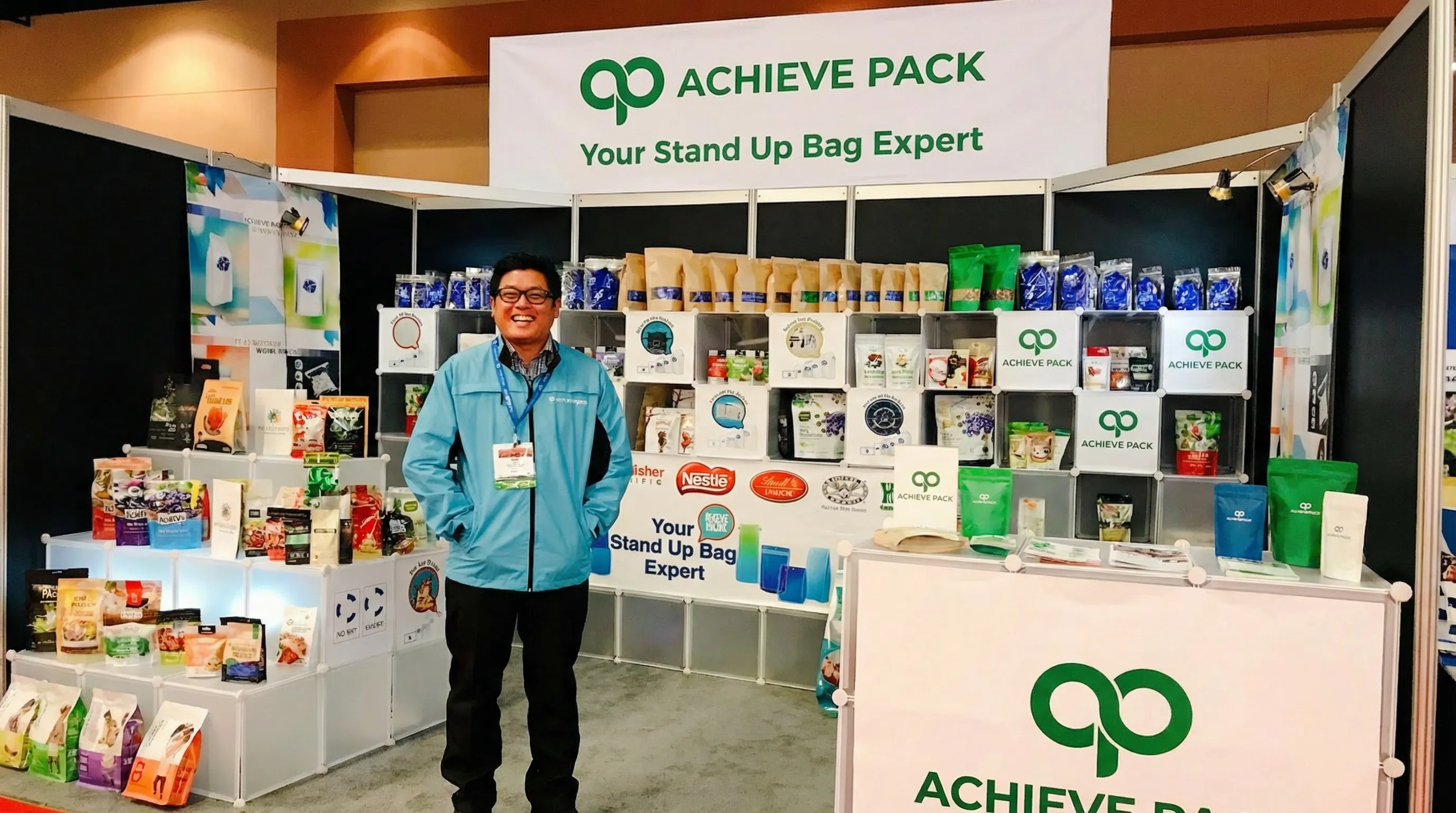
Ryan Wong
14+ Years Packaging Engineering | GRS Auditing Specialist
Material science expert helping brands scale zero-waste sustainable packaging solutions.
Have a technical question? Schedule a 15-minute packaging audit with Ryan →Canister vs. Pouch Comparison Matrix
| Technical Parameter | Reusable Canister | Single-Use Pouch |
|---|---|---|
| Lifecycle Limit | 1,000+ Wash & Refill Cycles | Single-Use Only (1 Cycle) |
| Airtight Seal Integrity | Airtight Silicone Gasket (Excellent OTR/MVTR) | Standard Ziplock (Medium Barrier) |
| Logistical & Shipping Weight | High-rigidity, low shipping weight vs. glass | Flexible, ultra-lightweight |
| Ecological Breakeven (Co2) | 100% Recyclable Rigid Polymer (#7 Acrylic) | Industrial Compostable / PE Recyclable |
| Product Customizability | Custom Pad Printing & Labels from 100+ units | Plate/Digital Print from 100+ units |
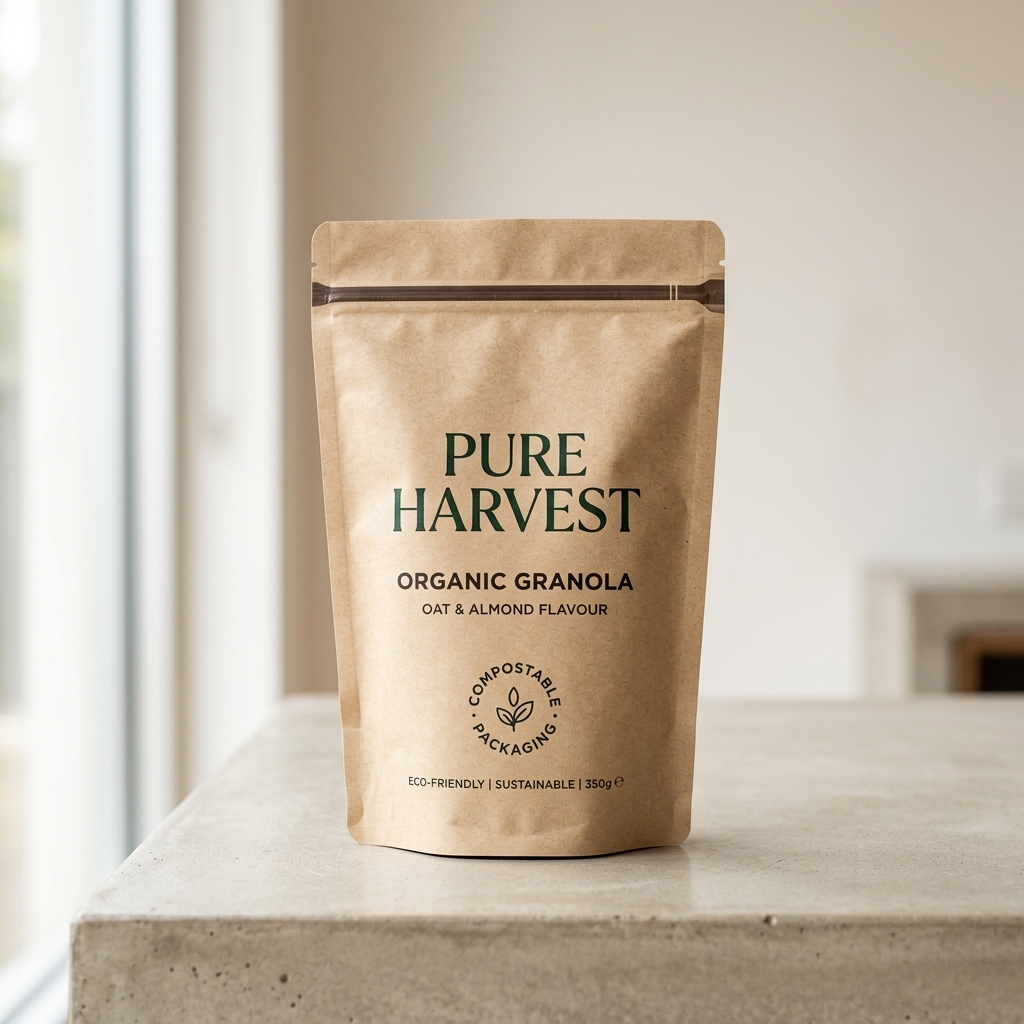
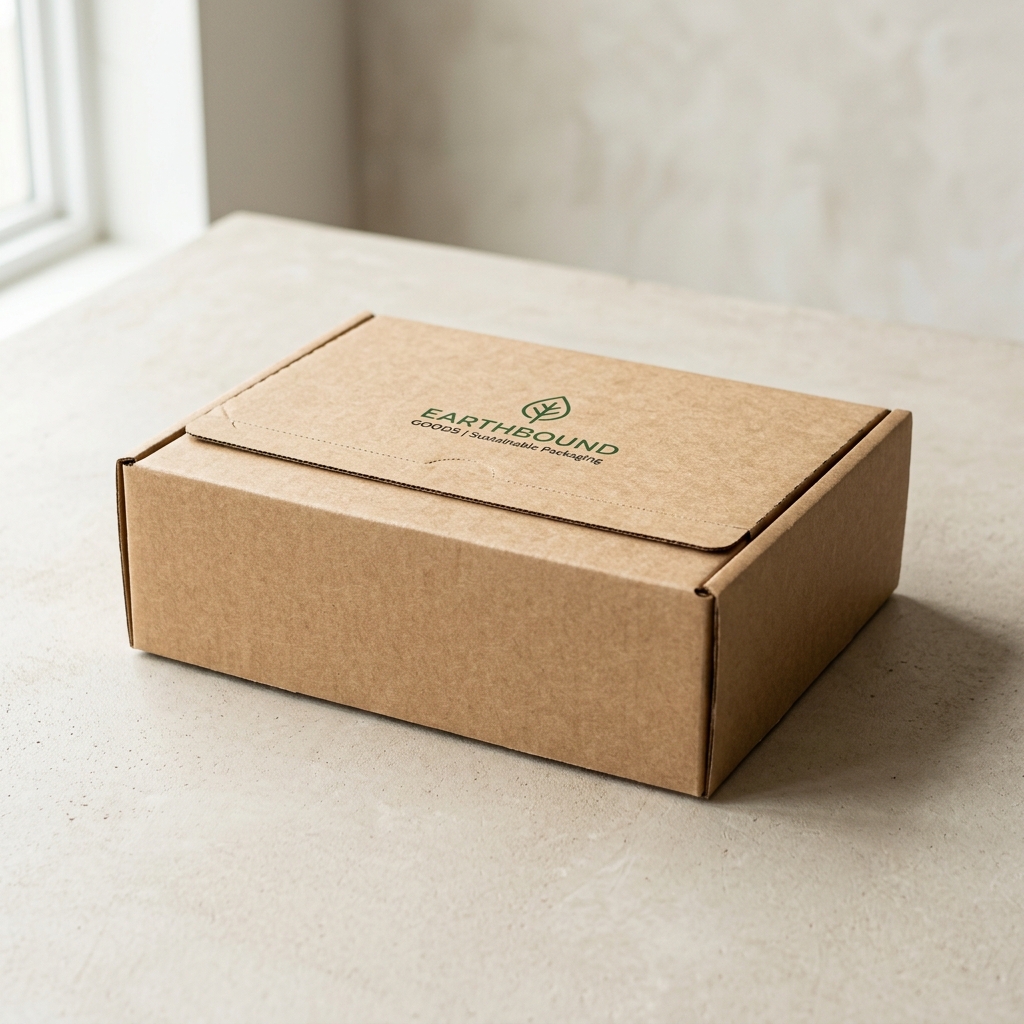
Related Products & Equipment
Frequently Asked Questions
What makes packaging 'reusable' under GRS standards?
Under the Global Recycled Standard (GRS) and circular economy guidelines, reusable packaging must be designed to complete a minimum number of lifecycles (typically 100+ to 1,000+ reuse cycles) while maintaining airtight sealing integrity, washability, and structural safety without material degradation.
Are acrylic canisters safe for long-term food contact?
Yes. Premium food-grade high-clarity acrylic is 100% BPA-free, non-toxic, and resistant to chemical leaching. It provides glass-like clarity with high shatter resistance and significantly lower shipping weight, reducing transport emissions.
How does the carbon footprint of reusable canisters compare to single-use bags?
While reusable canisters have a higher initial manufacturing footprint, they reach carbon neutrality after just 4 to 6 reuse cycles compared to single-use laminate pouches. Over 100+ cycles, they reduce total packaging carbon footprint by over 80%.
Standard Factory Quality Control & Material Auditing
Our general quality management system guarantees that every packaging batch meets international safety requirements. We perform rigorous mechanical, thermal, and barrier tests from raw materials to final shipping pallets to ensure complete peace of mind.
Gas Transmission
Gas transmission rate tests verify material specification sheets.
Chemical Safety
Zero chemical odor or harmful heavy metal contamination.
Heat Seal Strength
Verifies strong and secure heat seal seams for leak prevention.
Manufacturing Standard
Strict quality logs maintained for traceability of every batch.
Transit Durability
Simulated shipping tests ensure packages arrive in pristine condition.
Tensile Strength
Film properties optimized for smooth packaging line operation.
Schedule a Circular Transition Audit
Discuss how introducing reusable canisters into your product line aligns with international GRS and FSC targets.